The Illusion of Immediate Gratification in Fishing
Fishing, on the surface, often seems like a pursuit centered around immediate gratification. The thrill of the strike, the adrenaline of the fight, and the satisfaction of landing a fish – these are the moments we often chase. We equip ourselves with the latest gear, study the most promising techniques, and head to the most productive spots, all in the hope of a quick and easy catch. But what if I told you that the real transformation in fishing, the shift from a mere hobby to a profound connection with nature and oneself, happens when you learn to wait?
Think about it. How many times have you rushed to a spot, cast furiously, and reeled in impatiently, only to come up empty-handed? How often have you switched lures every five minutes, convinced that the next one will be the magic bullet? This frantic energy, this desperate pursuit of instant success, often blinds us to the subtle nuances of the environment and the fish we are trying to catch.
The truth is, fishing is rarely about immediate gratification. It’s about patience, observation, and a willingness to surrender to the rhythm of nature. It’s about understanding that sometimes, the most rewarding experiences are the ones that require us to slow down, to be present, and to simply wait.
The Art of Waiting: More Than Just Standing Around
Waiting in fishing isn’t passive. It’s not about simply standing around and hoping for the best. It’s an active process, a deliberate engagement with the environment that sharpens your senses and deepens your understanding of the aquatic world. It’s about using the time to observe, to learn, and to adapt.
Observing the Unseen
When you slow down and wait, you begin to notice things you would otherwise miss. You see the subtle currents in the water, the way the sunlight filters through the trees, the movement of insects on the surface. You hear the rustling of leaves, the chirping of birds, and the splash of a fish rising in the distance. These seemingly insignificant details can provide valuable clues about fish behavior and the best strategies to employ.
For example, observing the hatch of insects can tell you what the fish are feeding on, allowing you to choose the right fly or lure. Noticing the way the wind is blowing can help you predict where the fish might be holding, as they often seek shelter from the current. Paying attention to the water temperature can give you insights into the fish’s activity level, helping you adjust your presentation accordingly.
Learning from Every Cast
Waiting also allows you to learn from every cast, whether you catch a fish or not. Instead of blindly casting and reeling, you can focus on the feel of the lure, the depth of the water, and the reaction of the fish. You can experiment with different retrieves, different presentations, and different angles, and learn what works and what doesn’t. This process of trial and error is essential for developing your skills and becoming a more effective angler.
Consider the difference between casting repeatedly without thought and casting with intention. When you wait, you can analyze each cast. Was your presentation natural? Did your lure move in a way that would entice a strike? Did you feel any subtle takes that you might have missed if you were rushing? By reflecting on each cast, you turn every moment into a learning opportunity.
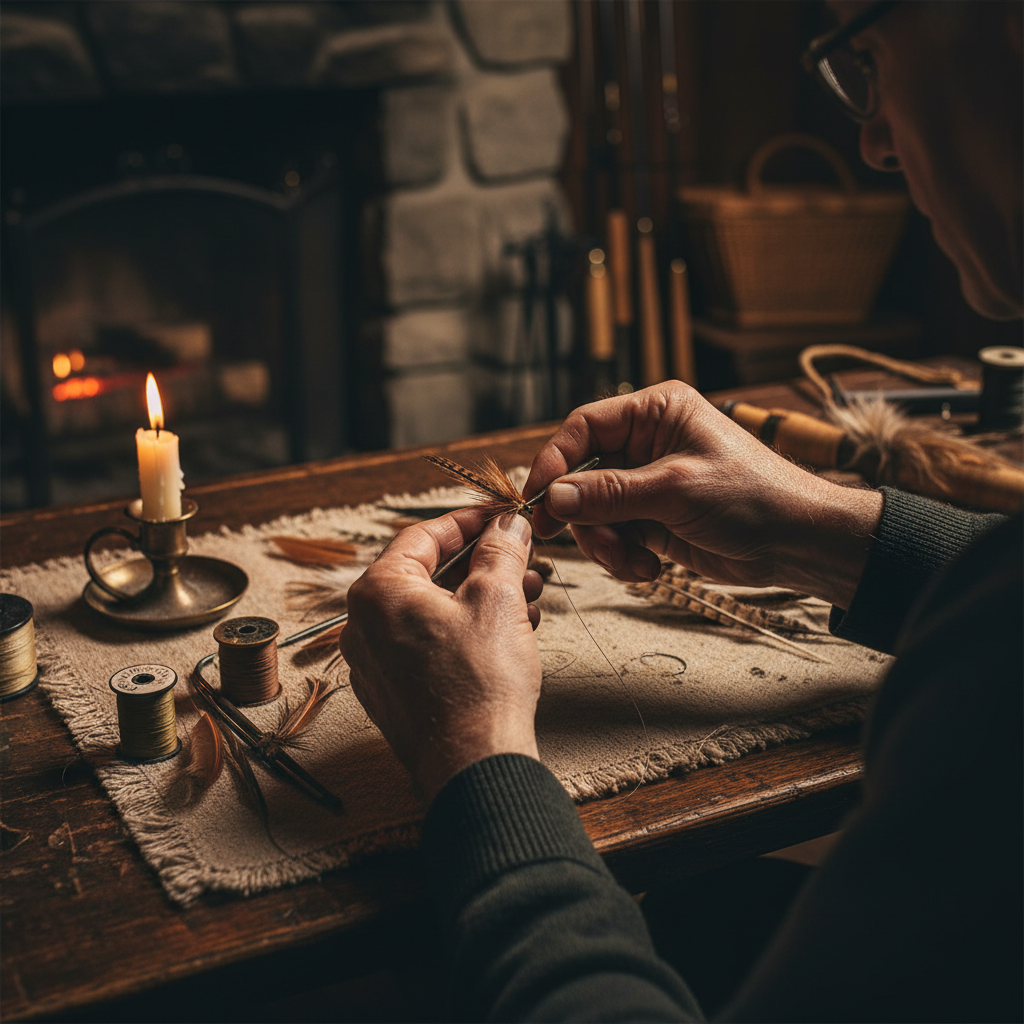
Adapting to Changing Conditions
Fishing conditions are constantly changing, influenced by factors such as weather, water level, and time of day. Waiting allows you to adapt to these changes and adjust your strategy accordingly. If the fish aren’t biting on the surface, you can try fishing deeper. If the water is murky, you can switch to a brighter lure. If the wind is strong, you can find a sheltered spot. By being patient and adaptable, you can increase your chances of success, even when conditions are challenging.
Imagine you arrive at your favorite fishing spot, only to find that the water is much higher and murkier than usual due to recent rainfall. Instead of giving up in frustration, you take the time to assess the situation. You notice that the current is strong, and visibility is limited. You realize that the fish are likely holding close to cover, seeking refuge from the turbulent water. You decide to switch to a larger, brighter lure that will be easier for the fish to see, and you focus your efforts on fishing near submerged logs and undercut banks. This adaptability, born from patience and observation, can turn a potentially disappointing day into a rewarding one.
The Mental Game: Cultivating Patience and Focus
Beyond the practical benefits of waiting, there’s a profound mental shift that occurs when you embrace patience in fishing. It’s about cultivating a mindset of focus, discipline, and acceptance. It’s about learning to control your impulses and to appreciate the journey, rather than just the destination.
Overcoming Impatience
Impatience is a natural human emotion, but it can be detrimental to fishing. When you’re impatient, you’re more likely to make mistakes, to rush your casts, and to give up too easily. Learning to overcome impatience is a key part of becoming a successful angler. This involves recognizing your triggers, developing coping mechanisms, and practicing mindfulness.
Perhaps you feel your heart rate increase after a long period without a bite, or your thoughts begin to race with doubts and anxieties. Recognizing these signals allows you to take a step back and regain control. Deep breathing exercises, focusing on the present moment, or simply reminding yourself that patience is part of the process can help you calm your nerves and stay focused.
Developing Discipline
Discipline is another essential trait for patient fishing. It’s about sticking to your plan, even when you’re not seeing immediate results. It’s about resisting the urge to switch lures every five minutes, or to move to a different spot every hour. It’s about trusting your instincts and believing in your ability to succeed, even when the odds seem stacked against you.
Think of a fly fisherman meticulously nymphing a run, making repeated casts with subtle drifts, even after hours without a single strike. This requires immense discipline, a commitment to the process, and a belief that eventually, a fish will take the bait. This same discipline can be applied to any fishing method, whether it’s trolling for salmon, jigging for walleye, or bait fishing for catfish.

Embracing Acceptance
Perhaps the most important mental aspect of patient fishing is acceptance. It’s about accepting that you can’t control everything, that there will be days when the fish just aren’t biting, and that sometimes, you’ll go home empty-handed. It’s about learning to appreciate the experience, regardless of the outcome. It’s about finding joy in the process of learning, observing, and connecting with nature.
This acceptance doesn’t mean giving up or lowering your expectations. It means recognizing that fishing is a complex and unpredictable activity, and that success isn’t always guaranteed. It means focusing on what you can control – your effort, your attitude, and your attention – and letting go of what you can’t. It means appreciating the beauty of the surroundings, the camaraderie of your fishing partners, and the simple act of being present in the moment.
The Deeper Connection: Fishing as a Form of Meditation
When you truly learn to wait in fishing, it transcends the realm of sport and becomes a form of meditation. The rhythmic casting, the focused observation, and the quiet solitude create a space for introspection and self-reflection. It’s a chance to escape the stresses of daily life and connect with something larger than yourself.
Finding Peace in Solitude
Fishing often involves spending time alone, surrounded by nature. This solitude can be incredibly therapeutic, allowing you to disconnect from the distractions of modern life and reconnect with your inner self. The quiet sounds of nature, the gentle breeze, and the vastness of the landscape can create a sense of peace and tranquility that is hard to find elsewhere.
Many anglers describe fishing as a form of “moving meditation.” The repetitive motions of casting and reeling, combined with the focused attention on the water, can induce a state of flow, where you lose track of time and become completely absorbed in the present moment. This state of flow can be incredibly relaxing and rejuvenating, helping to reduce stress and improve overall well-being.
Connecting with Nature
Fishing is a powerful way to connect with nature, to appreciate the beauty and complexity of the natural world. It forces you to slow down, to observe, and to understand the delicate balance of the ecosystem. It reminds you that you are a part of something larger than yourself, and that your actions have consequences.
By spending time in nature, you gain a deeper appreciation for the importance of conservation and environmental stewardship. You become more aware of the threats facing our planet, such as pollution, habitat loss, and climate change, and you are more likely to take action to protect the environment.
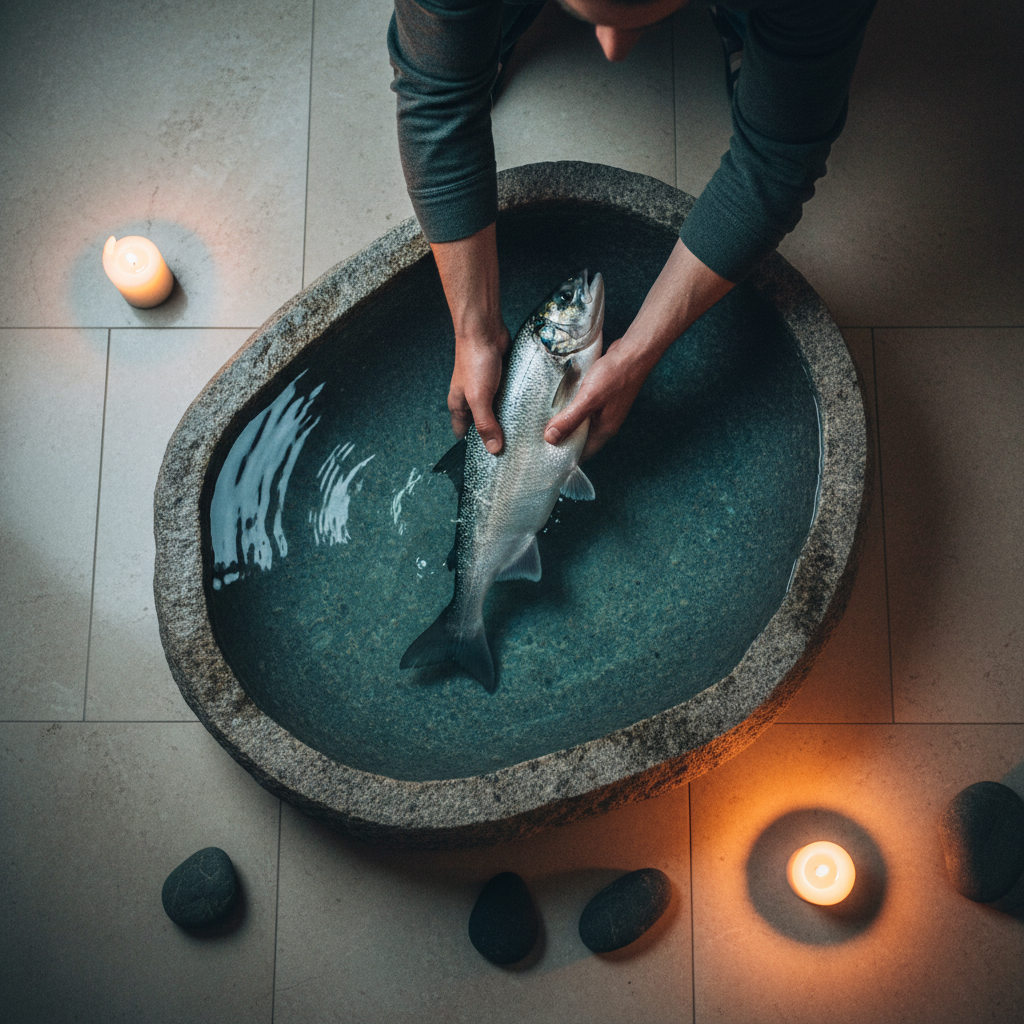
Learning Patience from Nature
Nature itself is a master of patience. The slow, steady growth of a tree, the gradual erosion of a mountain, the patient waiting of a predator for its prey – these are all examples of the power of patience in the natural world. By observing these processes, we can learn to cultivate patience in our own lives.
Think about the lifecycle of a salmon. These fish spend years in the ocean, growing and maturing, before returning to their natal streams to spawn. This arduous journey requires immense patience and perseverance, as they face countless obstacles and challenges. By witnessing this spectacle, we can gain a deeper understanding of the importance of patience in achieving our goals.
Beyond the Catch: The True Rewards of Patient Fishing
Ultimately, the true rewards of patient fishing extend far beyond the catch. It’s about the personal growth, the deeper connection with nature, and the sense of peace and fulfillment that come from surrendering to the rhythm of the natural world. It’s about learning to appreciate the journey, rather than just the destination.
Developing Resilience
Patient fishing teaches you resilience, the ability to bounce back from setbacks and to persevere in the face of adversity. There will be days when the fish just aren’t biting, when the weather is terrible, and when everything seems to be going wrong. But by learning to accept these challenges and to keep trying, you develop a mental toughness that will serve you well in all aspects of your life.
Imagine spending an entire day fishing in the rain, without catching a single fish. Most people would give up in frustration, but a patient angler would see this as an opportunity to learn and to grow. They would analyze their mistakes, adjust their strategy, and keep casting, knowing that eventually, their persistence will pay off.
Finding Inner Peace
The quiet solitude of fishing, the focused attention, and the connection with nature can create a sense of inner peace that is hard to find elsewhere. It’s a chance to escape the stresses of daily life, to clear your mind, and to reconnect with your inner self. This inner peace can have a profound impact on your overall well-being, reducing stress, improving mood, and increasing self-awareness.
Many anglers describe fishing as a form of therapy, a way to escape the pressures of work, family, and social obligations. The simple act of casting a line, feeling the tug of a fish, and releasing it back into the water can be incredibly cathartic, helping to release pent-up emotions and to find a sense of calm and tranquility.
Building Stronger Relationships
Fishing can also be a great way to build stronger relationships with friends and family. Spending time together in nature, sharing the experience of fishing, and working together to overcome challenges can create lasting bonds and strengthen connections. It’s a chance to unplug from technology, to talk, to laugh, and to create memories that will last a lifetime.
Whether it’s a father and son fishing trip, a group of friends on a weekend getaway, or a couple enjoying a quiet afternoon on the lake, fishing can provide a shared experience that fosters communication, understanding, and appreciation for one another. These shared experiences can create memories that will be cherished for years to come, and can strengthen the bonds between loved ones.
So, the next time you go fishing, remember to slow down, to be patient, and to embrace the journey. The true rewards of fishing are not just about the catch, but about the personal growth, the deeper connection with nature, and the sense of peace and fulfillment that come from learning to wait. It’s about discovering that the greatest catches are often the ones that require the most patience and the most perseverance. And it’s about realizing that the real transformation in fishing, the shift from a mere hobby to a profound connection with nature and oneself, happens when you learn to truly embrace the art of waiting. It’s a lesson that extends far beyond the water, shaping not only your fishing experience, but your entire approach to life.