The Stillness Speaks Volumes
Fishing. It’s more than just a sport, more than just a way to catch dinner. It’s an experience, a journey into a world where the noise of modern life fades and the whispers of nature become deafeningly clear. And in that clarity, something profound happens: you begin to see yourself, stripped bare of pretense, revealed in the quiet moments between casts, in the subtle dance between angler and fish.
Think about it. When was the last time you truly disconnected? No phone, no emails, no endless stream of notifications vying for your attention. Just you, the water, and the anticipation. It’s in that space, that enforced solitude, that the inner monologue begins to rise to the surface. The worries you usually bury, the anxieties you normally deflect, they all come bubbling up like silt disturbed from the riverbed. And you’re forced to confront them, to acknowledge their presence, to understand their root.
Fishing isn’t just about the fish; it’s about the fisherman. It’s about the journey inward, the confrontation with self. It’s a mirror reflecting back not just your image, but your character, your patience, your resilience. Are you quick to anger when the fish aren’t biting? Do you give up easily when the conditions are tough? Or do you persevere, adapting your strategy, learning from your mistakes, embracing the challenge? These are the questions the river silently poses.
The Art of Patience: A Reflection of Inner Peace
Patience, they say, is a virtue. But in the context of fishing, it’s more than that – it’s a necessity. You can’t rush the fish. You can’t force them to bite. You have to be still, observant, and willing to wait. And in that waiting, something remarkable happens. You learn to quiet your mind, to let go of your expectations, to simply be present in the moment. This is a skill that translates far beyond the riverbank. In a world that demands instant gratification, fishing teaches the value of delayed reward, the power of perseverance, the beauty of simply being.
Consider the story of an executive I know, a man consumed by the relentless demands of his career. He was always on, always connected, always stressed. His relationships were strained, his health was suffering, and he was slowly burning out. One day, on a whim, he decided to try fly fishing. He’d never done it before, and he was terrible at it. He spent more time untangling his line than he did actually fishing. But something about the experience resonated with him. The quiet of the river, the challenge of the cast, the focused attention required to read the water – it all forced him to slow down, to disconnect from the chaos of his life, to simply breathe. Over time, fishing became his sanctuary, a place where he could escape the pressures of his career and reconnect with himself. He learned patience, not just in fishing, but in all aspects of his life. He became a better listener, a more thoughtful decision-maker, and a more grounded individual.
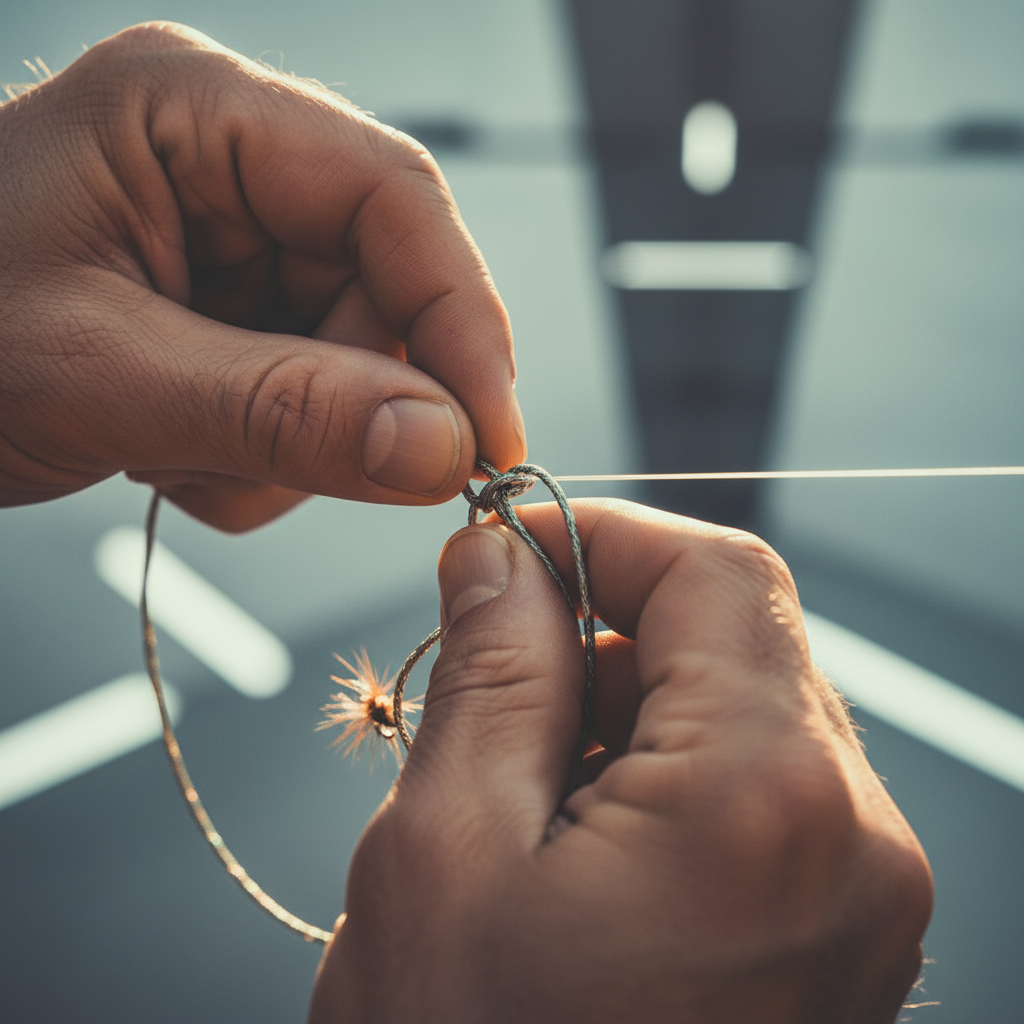
The Dance of Resilience: Bouncing Back from Setbacks
Fishing is rarely a guaranteed success. There will be days when the fish aren’t biting, when the weather is miserable, when everything seems to conspire against you. And in those moments, your resilience is tested. Do you pack up and go home? Or do you dig in, adapt your approach, and keep casting? The choice you make reveals a lot about your character.
Resilience isn’t about avoiding setbacks; it’s about how you respond to them. It’s about learning from your mistakes, adapting to changing conditions, and maintaining a positive attitude in the face of adversity. And fishing provides ample opportunity to practice this crucial skill. You might lose a fish after a long fight, break your line on a snag, or get caught in a sudden downpour. But each of these setbacks is a learning opportunity, a chance to develop your resilience, to become a more adaptable and resourceful angler – and a more resilient person in general.
Think of a time you faced a significant challenge in your life. Did you crumble under the pressure? Or did you find a way to persevere, to learn from the experience, and to emerge stronger on the other side? The same principles apply to fishing. The angler who approaches each setback with a positive attitude, who is willing to experiment with different techniques, and who never gives up is the one who ultimately succeeds.
Facing the Elements: Embracing the Unpredictability of Life
The weather in fishing is like the chaos in life. You can plan, prepare, and predict, but ultimately, you are at the mercy of forces beyond your control. The wind can shift, the rain can fall, and the sun can disappear behind a wall of clouds. And just as you must adapt to the changing weather conditions when fishing, so too must you adapt to the unpredictable nature of life.
Learning to embrace the uncertainty is a key lesson that fishing teaches. It’s about accepting that things won’t always go according to plan, and that sometimes, the best you can do is to ride the wave, to adjust your sails, and to make the most of the situation. This is a skill that is invaluable in all aspects of life, from navigating career changes to dealing with personal challenges.
Consider the story of a small-business owner who relied heavily on outdoor markets to sell his products. One summer, the weather was unusually harsh, with frequent thunderstorms and extreme heat. Many vendors packed up and left, but this entrepreneur decided to stay and adapt. He invested in a sturdy tent to protect his merchandise from the rain, offered complimentary water to customers to help them cope with the heat, and even started selling umbrellas and raincoats. As a result, he not only survived the challenging summer but actually thrived, gaining a reputation for resilience and resourcefulness.
The Echo of Solitude: Confronting Your Inner Self
One of the most profound aspects of fishing is the solitude it provides. Away from the distractions of modern life, you are left alone with your thoughts, your feelings, and your inner self. This can be both a challenging and a rewarding experience. It forces you to confront the things you might normally avoid, to examine your beliefs, and to come to terms with your own imperfections.
The solitude of fishing isn’t about escaping from life; it’s about engaging with it on a deeper level. It’s about creating space for introspection, for self-reflection, and for personal growth. It’s about peeling back the layers of pretense and discovering who you truly are beneath the surface.
Many people find that fishing provides a unique opportunity to connect with their inner child, to rediscover the joy of simple pleasures, and to appreciate the beauty of the natural world. It’s a chance to reconnect with a part of themselves that they may have lost sight of amidst the demands of adulthood.
Honesty on the Hook: Revealing Your True Character
Fishing, in its purest form, demands honesty. Not just with others, but with yourself. Are you truly committed to conservation? Do you follow ethical angling practices? Or are you willing to bend the rules to get ahead? The choices you make on the riverbank reveal a lot about your character.
The temptation to cheat, to cut corners, to take more than your fair share is always present. But the true angler understands that the real reward isn’t in the quantity of fish caught, but in the quality of the experience, in the integrity of the pursuit. It’s about respecting the environment, honoring the fish, and playing by the rules.
This honesty extends beyond the act of fishing itself. It permeates all aspects of your life. If you’re willing to be honest with yourself about your strengths and weaknesses, your successes and failures, you’ll be better equipped to grow as a person, to learn from your mistakes, and to live a more authentic and fulfilling life.
The Ripple Effect: Connecting with Something Larger Than Yourself
Fishing isn’t just about the individual; it’s about connecting with something larger than yourself. It’s about recognizing your place in the ecosystem, about appreciating the interconnectedness of all living things, and about understanding the importance of conservation.
When you spend time in nature, you become more aware of the fragility of the environment and the impact of human actions. You see the pollution in the water, the deforestation on the banks, and the decline in fish populations. And you begin to realize that you have a responsibility to protect these resources for future generations.
Fishing can be a gateway to environmental activism, inspiring anglers to become stewards of the land and water. It can lead to involvement in conservation organizations, participation in cleanup efforts, and advocacy for sustainable fishing practices. It’s about recognizing that your actions have consequences, and that you have the power to make a positive difference.
The Legacy of the Line: Passing Down Values and Traditions
For many, fishing is a tradition passed down through generations, a shared experience that strengthens family bonds and creates lasting memories. It’s about more than just catching fish; it’s about sharing stories, teaching skills, and instilling values.
Think of the lessons you learned from your father, your grandfather, or your mentor on the riverbank. They taught you how to cast, how to tie knots, and how to read the water. But they also taught you about patience, perseverance, and respect for nature. These are the values that you can pass down to the next generation, ensuring that the tradition of fishing continues for years to come.
Fishing can be a powerful tool for building relationships, for fostering communication, and for creating a sense of belonging. It’s a chance to disconnect from the digital world and reconnect with the people who matter most. It’s an opportunity to share a common passion, to create shared experiences, and to build memories that will last a lifetime.
Beyond the Catch: The Deeper Meaning of Fishing
So, what does fishing really reveal about you? It’s not about the size of the fish you catch, the number of fish you catch, or even the skill with which you catch them. It’s about the journey you take, the challenges you overcome, and the person you become along the way. It’s about the patience you develop, the resilience you cultivate, and the honesty you embrace. It’s about the connection you forge with nature, the solitude you find within yourself, and the values you pass down to future generations.
Fishing is a mirror reflecting back your character, your strengths, and your weaknesses. It’s a teacher guiding you towards greater self-awareness, self-acceptance, and self-improvement. It’s an experience that can transform you from a mere angler into a more complete, more grounded, and more authentic human being.
The next time you find yourself on the riverbank, take a moment to pause and reflect. Listen to the whispers of the wind, observe the dance of the water, and feel the connection to something larger than yourself. And ask yourself: What is fishing revealing about me today? The answer, you may find, is more profound than you ever imagined. It’s a journey of self-discovery disguised as a simple pastime, a quiet revelation waiting to be caught.