The Elusive Bite: Understanding the Core of Fishing Success
Every angler, whether seasoned pro or eager novice, knows the feeling of anticipation that accompanies casting a line into the water. The rhythmic swoosh of the rod, the satisfying plop of the lure, and then… the wait. But what separates the endless hours of waiting from the exhilarating moment of a successful catch? It’s not just luck, though luck certainly plays a role. It’s a confluence of knowledge, skill, and perhaps most importantly, a deep understanding of what truly compels a fish to strike.
Many beginners focus solely on the equipment: the latest rods, the flashiest lures, the most advanced line. While quality gear is undoubtedly important, it’s merely a tool. The real secret lies in understanding the underwater world, the habits of your target species, and the subtle art of presentation. Think of it like learning to cook. You can have the best ingredients and the finest kitchen appliances, but if you don’t understand the fundamentals of flavor, technique, and timing, you’re unlikely to create a masterpiece.
So, what is this “secret” that transforms attempts into catches? It’s not a single trick or a magic bait. It’s a holistic approach built upon three fundamental pillars: observation, adaptation, and persistence. Let’s delve into each of these pillars and explore how they can elevate your fishing game from frustrating futility to consistent success.
Observation: Reading the Water and Understanding the Fish
Deciphering the Aquatic Environment
The water’s surface is a deceptive veil, concealing a complex ecosystem teeming with life. Learning to “read the water” is the first crucial step in becoming a successful angler. This involves paying close attention to a variety of factors, including water clarity, temperature, current, and structure. Each of these elements can provide valuable clues about where fish are likely to be holding.
Water Clarity: Clear water allows fish to see your lure from a greater distance, but it also makes them more wary. In these conditions, natural-looking presentations and lighter lines are often more effective. Murky water, on the other hand, reduces visibility, forcing fish to rely more on their other senses, such as vibration and smell. In murky conditions, brighter lures and lures that create a lot of noise can be advantageous.
Water Temperature: Fish are cold-blooded, meaning their body temperature is regulated by the surrounding water. Temperature plays a significant role in their metabolism, activity level, and feeding habits. Generally, fish are more active and feed more aggressively in warmer water (within their preferred temperature range). Knowing the optimal temperature range for your target species is essential. You can use a simple thermometer to measure the water temperature at different depths and locations.
Current: Current brings food to fish, making it a prime location to target. Look for areas where the current is broken up by rocks, logs, or other structures. These areas create eddies and slack water where fish can lie in ambush, waiting for unsuspecting prey to drift by. Pay attention to the direction and speed of the current, and adjust your presentation accordingly.
Structure: Structure refers to any physical features in the water that provide cover, shelter, or ambush points for fish. This can include anything from fallen trees and weed beds to rock piles and docks. Fish are naturally drawn to structure because it offers protection from predators and provides a concentrated source of food. Understanding the types of structure that your target species prefers is crucial for locating them.
Understanding Fish Behavior
Beyond understanding the physical environment, it’s equally important to understand the behavior of the fish you’re targeting. This involves learning about their feeding habits, spawning cycles, and seasonal movements. Are they primarily ambush predators, or do they actively hunt their prey? What types of food do they prefer? When and where do they spawn? The answers to these questions can significantly improve your chances of success.
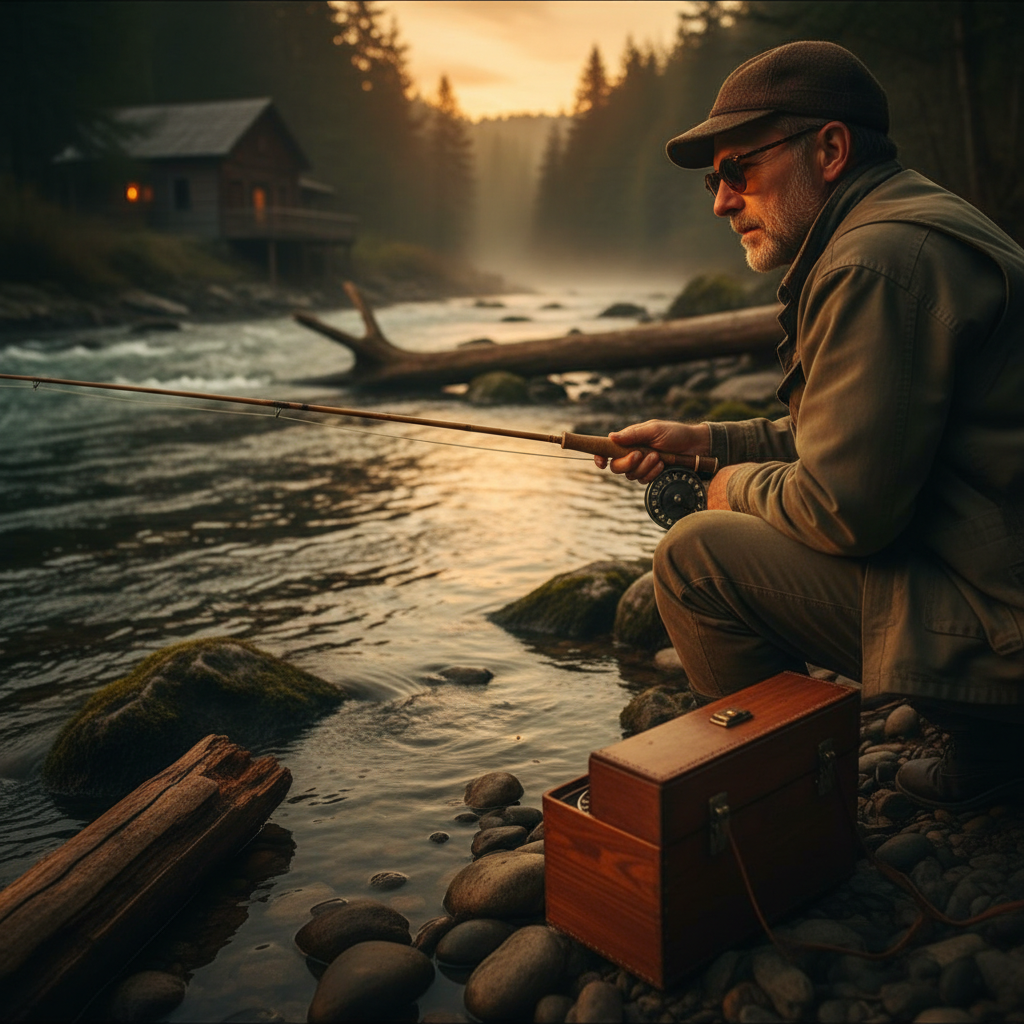
For example, if you’re targeting bass, you’ll want to know that they are ambush predators that often lie in wait near structure, waiting for unsuspecting prey to swim by. They are also highly territorial, especially during spawning season. This knowledge can help you choose the right lures and presentation techniques to trigger a strike. Similarly, if you’re targeting trout, you’ll want to know that they are often found in fast-flowing water, feeding on insects that drift downstream. This knowledge can help you choose the right flies and presentation techniques to match the hatch.
Adaptation: Mastering the Art of Presentation
Choosing the Right Lure or Bait
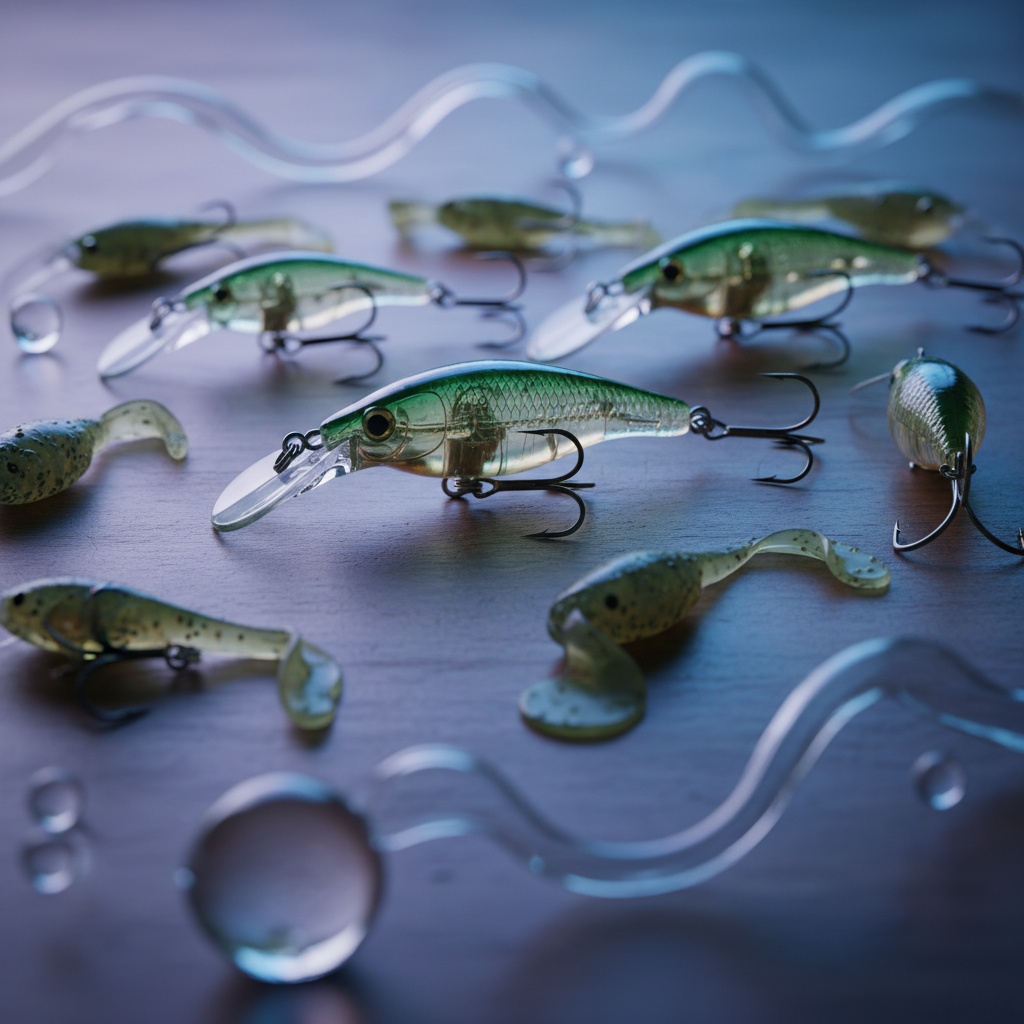
Selecting the right lure or bait is a critical component of successful fishing. It’s not simply about choosing the flashiest or most expensive option; it’s about selecting something that closely mimics the natural prey of your target species and is appropriate for the prevailing conditions. Consider the size, shape, color, and action of your lure or bait, and how it will appear to the fish in the water.
Size: Match the size of your lure or bait to the size of the natural prey in the area. If the fish are feeding on small minnows, a large, bulky lure is unlikely to be effective. Conversely, if the fish are feeding on larger baitfish, a small lure may not attract their attention.
Shape: Choose a lure or bait that resembles the shape of the natural prey. For example, if you’re targeting fish that feed on worms, a plastic worm is a good choice. If you’re targeting fish that feed on shad, a shad-shaped crankbait or swimbait is a good option.
Color: Color can be an important factor, especially in clear water. In general, natural colors tend to be more effective in clear water, while brighter colors can be more effective in murky water. However, there are no hard and fast rules. Experiment with different colors to see what works best in your area.
Action: The action of a lure refers to how it moves in the water. Some lures have a subtle, lifelike action, while others have a more aggressive, erratic action. The best action will depend on the species you’re targeting and the conditions you’re fishing in. For example, a slow, wobbling crankbait can be effective for catching sluggish fish in cold water, while a fast-moving spinnerbait can be effective for catching aggressive fish in warm water.
Mastering Different Presentation Techniques
Choosing the right lure or bait is only half the battle. You also need to know how to present it effectively to the fish. This involves mastering a variety of different presentation techniques, each of which is suited to different situations and species.
Casting and Retrieving: This is the most basic presentation technique, but it’s also one of the most versatile. Simply cast your lure or bait into the water and retrieve it at a steady pace. Experiment with different retrieve speeds and actions to see what works best. You can also add pauses, twitches, and jerks to your retrieve to make your lure more appealing to fish.
Jigging: Jigging involves vertically presenting your lure or bait by lifting and dropping it in the water. This technique is particularly effective for targeting fish that are holding near the bottom or around structure. Use a jig that is heavy enough to reach the bottom quickly, and experiment with different jigging motions to see what triggers a strike.
Trolling: Trolling involves dragging your lure or bait behind a moving boat. This technique is effective for covering a lot of water quickly and for targeting fish that are suspended in the water column. Use a trolling motor or a slow-moving boat to maintain a consistent speed, and experiment with different lure depths and distances behind the boat.
Fly Fishing: Fly fishing is a specialized technique that involves using artificial flies to imitate insects and other aquatic creatures. This technique is particularly effective for targeting trout and other fish that feed on insects. Fly fishing requires specialized equipment and techniques, but it can be a very rewarding way to catch fish.
Persistence: The Unsung Hero of Angling
Embracing Failure as a Learning Opportunity
Fishing is not always easy. There will be days when you don’t catch anything, no matter how hard you try. It’s important to remember that failure is a part of the learning process. Don’t get discouraged when you don’t catch fish. Instead, use it as an opportunity to learn and improve. Analyze what you did wrong, and try something different next time. Did you choose the wrong lure? Did you present it incorrectly? Did you fish in the wrong location? The more you analyze your failures, the better you’ll become at fishing.
Think of it like a scientist conducting experiments. They don’t always get the results they expect, but they learn from their mistakes and refine their hypotheses. Similarly, as an angler, you should view each fishing trip as an experiment. Try different techniques, lures, and locations, and observe the results. The more you experiment, the more you’ll learn about fish behavior and the more successful you’ll become.
Adapting to Changing Conditions
The underwater world is constantly changing. Water temperature, clarity, and current can fluctuate dramatically from day to day. Fish behavior can also change depending on the time of year, the weather, and the availability of food. As an angler, you need to be able to adapt to these changing conditions. Don’t be afraid to try new things and to change your tactics if what you’re doing isn’t working. If the fish aren’t biting on your favorite lure, try something different. If they’re not in their usual location, look for them elsewhere. The more adaptable you are, the more successful you’ll be.
Imagine a chameleon adapting to its environment. It changes its color to blend in with its surroundings, making it more difficult for predators to spot. Similarly, as an angler, you need to be able to blend in with the underwater environment and adapt your techniques to match the prevailing conditions. This requires a keen eye for observation and a willingness to experiment.
The Mental Game: Staying Positive and Focused
Fishing can be a mentally challenging activity. It requires patience, focus, and a positive attitude. It’s easy to get discouraged when you’re not catching fish, but it’s important to stay positive and focused. Believe that you can catch fish, and keep trying different things until you find something that works. The more positive and focused you are, the more likely you are to succeed.
Think of a marathon runner. They face numerous challenges during the race, including fatigue, pain, and doubt. But they persevere by staying positive, focused, and determined. Similarly, as an angler, you need to be mentally tough and resilient. Don’t let setbacks discourage you. Stay positive, focused, and persistent, and you’ll eventually achieve your goals.
Beyond the Basics: Elevating Your Fishing Prowess
Understanding the Impact of Weather
Weather patterns exert a profound influence on fish behavior. Barometric pressure, wind direction, and cloud cover can all trigger changes in feeding patterns and location preferences. For instance, a sudden drop in barometric pressure often leads to increased feeding activity as fish sense an impending change in conditions. Conversely, high, stable pressure might result in a more lethargic demeanor. Wind can create currents that concentrate food sources, while cloud cover can reduce light penetration, making fish feel more secure and encouraging them to venture into shallower waters. Paying close attention to the forecast and observing current weather conditions is paramount to predicting fish behavior.
Refining Your Knot Tying Skills
A weak knot can be the difference between landing a trophy fish and watching it swim away with your favorite lure. Mastering a variety of fishing knots is essential for any serious angler. Different knots are suited for different purposes, such as connecting line to hooks, swivels, or leaders. Practice tying knots repeatedly until you can execute them flawlessly, even in challenging conditions. Regularly inspect your knots for any signs of wear or damage, and retie them as needed to ensure maximum strength and reliability.
The Ethics of Angling: Conservation and Respect
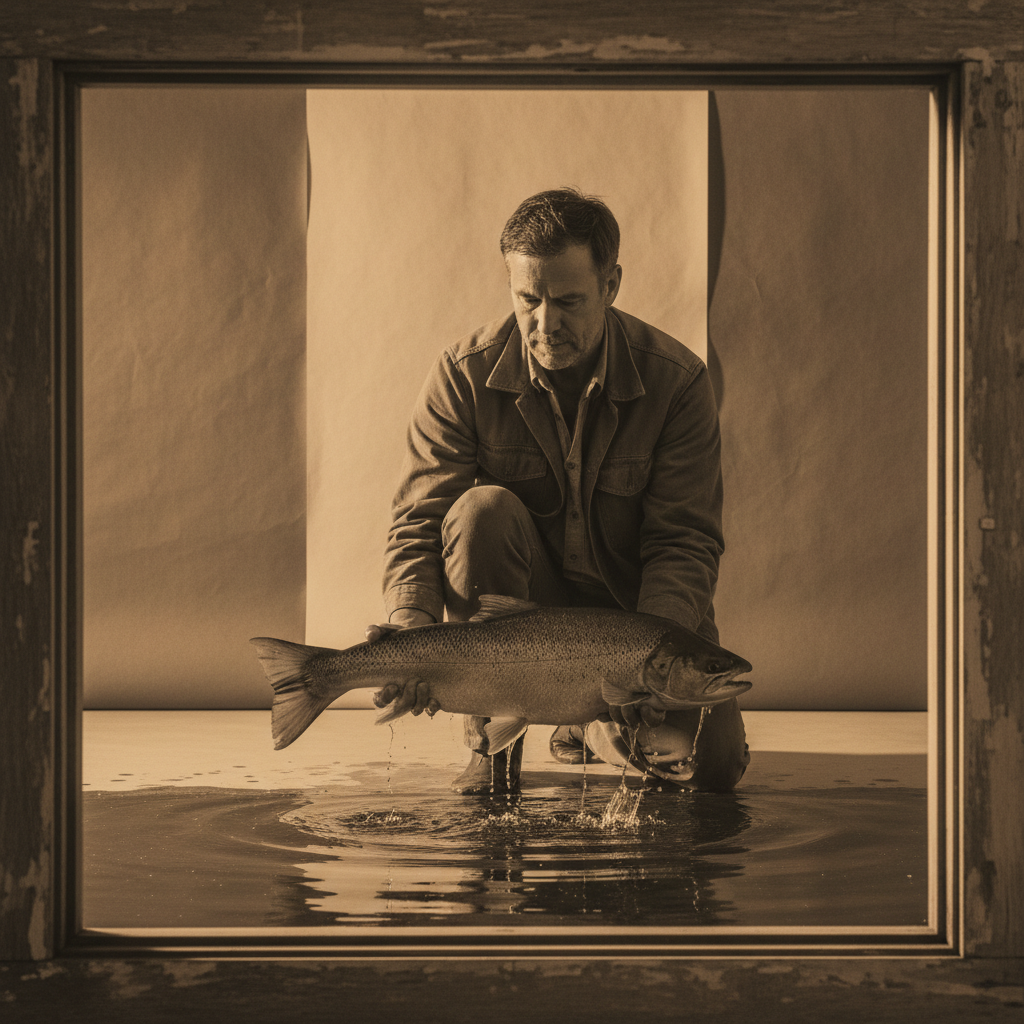
Responsible angling goes beyond simply catching fish. It involves a commitment to conservation and respect for the environment and the fish themselves. Practice catch and release whenever possible, especially with vulnerable or overfished species. Handle fish with care to minimize stress and injury, and use barbless hooks to facilitate easier removal. Dispose of fishing line and other trash properly to prevent pollution and entanglement hazards. Adhere to all fishing regulations and license requirements, and support organizations dedicated to protecting fish populations and aquatic habitats. Remember, we are all stewards of the environment, and it is our responsibility to ensure that future generations can enjoy the sport of fishing.
The Unfolding Journey: A Lifelong Pursuit
Fishing is more than just a hobby; it’s a lifelong journey of learning, discovery, and connection with nature. There will be triumphs and setbacks, moments of intense excitement and quiet contemplation. But through it all, the pursuit of understanding the underwater world and the creatures that inhabit it will continue to captivate and challenge us. Embrace the challenges, celebrate the successes, and never stop learning. The secret to turning attempts into catches is not a destination, but a continuous process of observation, adaptation, and persistence. And in that process, lies the true reward of angling.