The Silent Killer of Your Fishing Trip: Bait Choice
We’ve all been there. The anticipation is palpable. You’ve woken up before dawn, packed your gear, and arrived at your favorite fishing spot, ready to conquer the water. You cast your line with confidence, picturing the trophy fish you’re about to reel in. Hours pass. Nothing. Zilch. Nada. You start to question everything – your technique, the weather, even your life choices. But have you considered the silent killer of your fishing trip: your bait choice?
Choosing the right bait isn’t just about tossing something shiny into the water and hoping for the best. It’s about understanding the ecosystem you’re fishing in, the habits of the fish you’re targeting, and the subtle nuances that can make the difference between a day of frustration and a day of unforgettable catches. So, what’s the biggest mistake anglers make when selecting their bait? It’s not using the right bait for the right fish, but rather, not understanding why a specific bait works in the first place.
Understanding the “Why” Behind Bait Selection
Too often, anglers get caught up in trends or rely on outdated advice. They might use a particular lure because it’s “always worked” or because a friend recommended it. But without understanding the underlying principles, they’re essentially fishing blind. Consider this: Why do fish bite at all? It boils down to a few key factors: hunger, aggression, curiosity, and the instinct to protect their territory or offspring. Your bait needs to appeal to one or more of these instincts to be effective. Let’s break this down further.
Hunger: Appealing to a Fish’s Appetite
The most obvious reason a fish bites is because it’s hungry. This is where understanding a fish’s diet becomes crucial. What do they typically eat in their natural environment? Are they primarily predators, feeding on smaller fish? Or are they bottom-feeders, scavenging for crustaceans and insects? Matching your bait to their natural food sources is a surefire way to increase your chances of success. For example, if you’re targeting trout in a stream known for its abundant insect life, using a fly that imitates a mayfly or caddisfly nymph is a logical choice. Conversely, if you’re fishing for largemouth bass in a lake, a swimbait that mimics a shad or bluegill might be more effective.
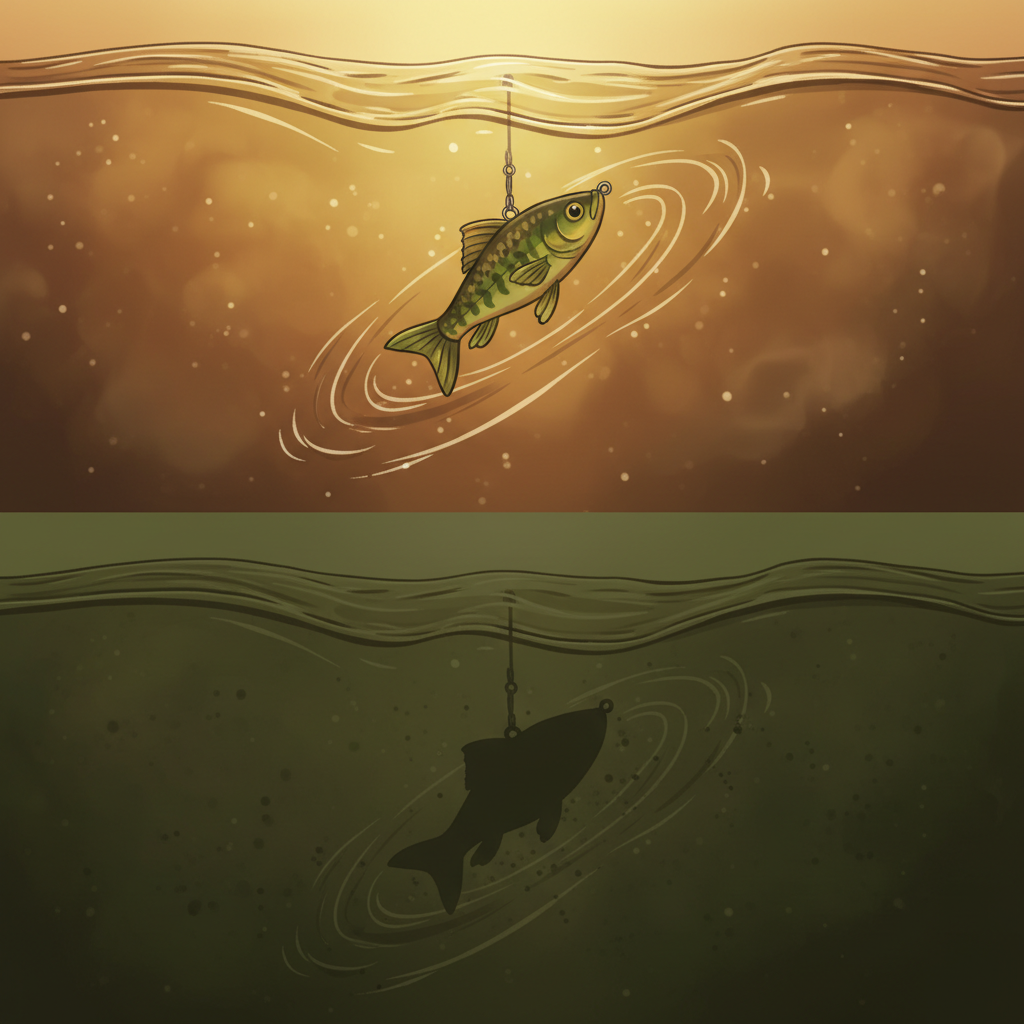
But simply matching the food source isn’t always enough. You also need to consider the presentation. Is the water clear or murky? Are the fish actively feeding or are they sluggish? A brightly colored lure might be effective in murky water, where visibility is limited, but it could spook fish in clear water. Similarly, a slow, deliberate presentation might be more effective for sluggish fish, while a fast, erratic retrieve could trigger a strike from active predators. Think about the natural movement of the prey you’re imitating. Does it dart erratically, or does it swim with a slow, methodical motion? Replicating these movements with your bait can make all the difference.
Aggression and Territoriality: Triggering a Reaction Strike
Sometimes, fish bite not because they’re hungry, but because they’re aggressive or territorial. This is particularly true during spawning season, when fish are fiercely protective of their nests. In these situations, a bait that provokes a reaction strike can be highly effective. This might be a brightly colored lure that invades their territory, a noisy topwater bait that disrupts the surface, or a bait that mimics a potential threat to their offspring. The key is to trigger an instinctive response, prompting the fish to strike out of aggression rather than hunger. Think of it like a knee-jerk reaction – the fish doesn’t have time to think about whether or not the bait is actually food, it simply reacts instinctively.
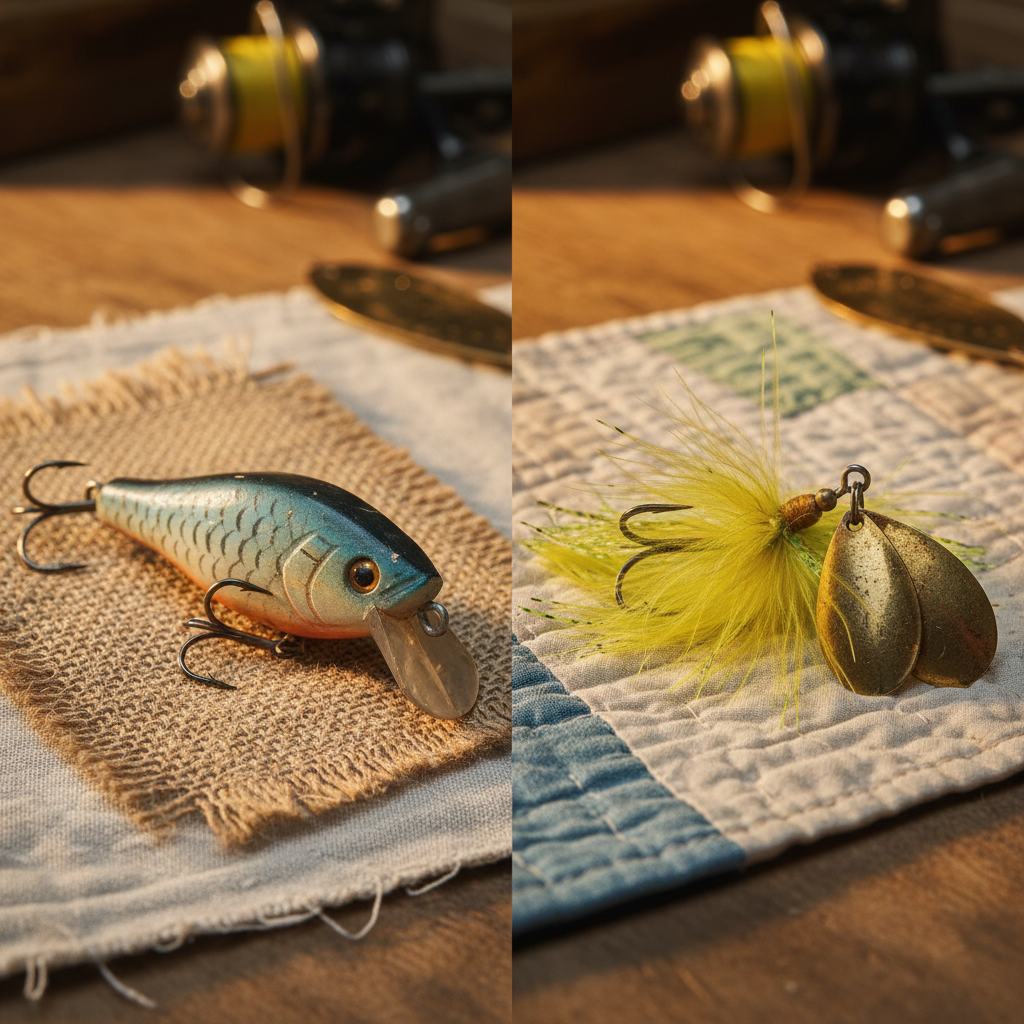
A classic example of this is using a spinnerbait for bass fishing. The flash and vibration of the spinnerbait can be highly irritating to bass, especially during spawning season. They see it as an intruder in their territory and strike out to defend their turf. Similarly, a crankbait that bumps into submerged cover can trigger a reaction strike from bass hiding in ambush. The sudden impact and vibration alert the bass to a potential threat, prompting them to attack. Understanding this principle allows you to select baits that are designed to provoke a reaction, even when the fish aren’t actively feeding.
Curiosity: Enticing the Inquisitive Fish
Some fish are simply curious creatures, willing to investigate anything that catches their attention. This is where novelty baits and unconventional presentations can shine. A bait that looks or acts unlike anything the fish has seen before can pique their curiosity and entice them to bite. This might be a new type of lure with a unique action, a bait with an unusual scent, or a presentation that defies expectations. The key is to offer something different that stands out from the crowd. Think of it like a shiny new toy – even if you don’t need it, you’re still drawn to it out of curiosity.
For example, using a wacky-rigged Senko worm can be highly effective for bass fishing. The unconventional presentation of the worm, fluttering and undulating as it falls through the water, can be irresistible to curious bass. Similarly, using a topwater frog lure in heavy cover can trigger strikes from bass that are curious about the commotion on the surface. The key is to experiment and try different things until you find something that the fish haven’t seen before. Don’t be afraid to think outside the box and challenge conventional wisdom. Sometimes, the most unconventional baits can be the most effective.
The Importance of Observation: Reading the Water
Choosing the right bait isn’t just about understanding the fish, it’s also about understanding the environment. The water conditions, weather patterns, and seasonal changes all play a significant role in determining what bait will be most effective. This is where observation becomes crucial. Before you even cast your line, take the time to assess the situation. What is the water clarity like? Is it clear, murky, or stained? What is the water temperature? Is it warm, cold, or somewhere in between? What is the weather like? Is it sunny, cloudy, or rainy? All of these factors can influence the behavior of the fish and the effectiveness of your bait.
Water Clarity: Choosing the Right Colors and Profiles
Water clarity is one of the most important factors to consider when choosing your bait. In clear water, fish can see your bait from a greater distance, so it’s important to use natural-looking baits that blend in with the environment. This might mean using baits with muted colors, realistic profiles, and subtle actions. In murky water, on the other hand, fish rely more on their other senses, such as their lateral line and their sense of smell. In these conditions, it’s important to use baits that are highly visible, noisy, or have a strong scent. This might mean using baits with bright colors, flashy blades, or a potent attractant.
Think about it this way: if you were trying to find something in a dimly lit room, you’d be more likely to notice something that was brightly colored or emitting a light. The same principle applies to fish in murky water. They’re more likely to notice a bait that stands out from the background. Conversely, if you were trying to sneak up on someone in a bright, sunny field, you’d be more likely to wear camouflage clothing that blends in with the environment. The same principle applies to fish in clear water. They’re more likely to be spooked by a bait that looks unnatural or out of place.
Water Temperature: Adjusting Your Presentation and Bait Type
Water temperature also plays a significant role in determining the behavior of fish. In warm water, fish are typically more active and aggressive, so you can use faster retrieves and more aggressive baits. In cold water, on the other hand, fish are typically more sluggish and lethargic, so you need to slow down your presentation and use baits that are more subtle and enticing. For example, during the summer months, when the water is warm, you might use a fast-moving crankbait or spinnerbait to target active bass. During the winter months, when the water is cold, you might use a slow-dragging jig or a drop-shot rig to target sluggish bass.
The metabolic rate of fish is directly affected by water temperature. In warm water, their metabolism is higher, so they need to eat more to maintain their energy levels. This makes them more likely to chase after fast-moving baits. In cold water, their metabolism is lower, so they don’t need to eat as much and they’re less likely to expend energy chasing after fast-moving baits. This is why it’s important to adjust your presentation and bait type to match the water temperature. You need to give the fish what they want, when they want it.
Weather Patterns: Adapting to Changing Conditions
Weather patterns can also have a significant impact on fishing conditions. Changes in barometric pressure, wind direction, and cloud cover can all affect the behavior of fish. For example, a falling barometric pressure often indicates an approaching storm, which can trigger a feeding frenzy among fish. In these conditions, you might want to use aggressive baits and fast retrieves to take advantage of the increased activity. Conversely, a rising barometric pressure often indicates stable weather conditions, which can make fish more lethargic and less likely to bite. In these conditions, you might need to slow down your presentation and use more subtle baits to entice a strike.
Wind direction can also play a role in determining where fish are located. On windy days, fish often congregate on the windward side of the lake, where the wind is blowing. This is because the wind pushes plankton and other food sources towards the windward side, attracting baitfish and, in turn, attracting larger predator fish. Cloud cover can also affect the behavior of fish. On cloudy days, fish are often more active and less wary, as they feel more protected from predators. In these conditions, you might be able to get away with using more aggressive baits and faster retrieves. On sunny days, on the other hand, fish are often more skittish and more likely to seek cover. In these conditions, you might need to use more subtle baits and slower retrieves.
Beyond the Basics: Understanding Bait Action and Vibration
Beyond matching the hatch and considering environmental factors, truly mastering bait selection requires understanding the subtle nuances of bait action and vibration. Different baits produce different vibrations and movements in the water, which can be detected by fish through their lateral line. This sensory organ allows fish to “feel” the movement of prey, even in murky water. Understanding how different baits vibrate and move can help you choose the right bait for the conditions and the fish you’re targeting.
High-Frequency vs. Low-Frequency Vibrations
Some baits produce high-frequency vibrations, which are characterized by rapid, subtle movements. These vibrations are often associated with smaller prey, such as insects and crustaceans. Other baits produce low-frequency vibrations, which are characterized by slower, more pronounced movements. These vibrations are often associated with larger prey, such as fish and frogs. The type of vibration a bait produces can influence which fish are attracted to it. For example, a small crankbait with a tight wiggle might be more effective for targeting trout, which often feed on insects and small crustaceans. A large swimbait with a wide wobble might be more effective for targeting bass, which often feed on larger fish.
Think about it like listening to music. Some people prefer high-pitched, delicate melodies, while others prefer low-frequency, heavy bass. The same principle applies to fish. Some fish are more sensitive to high-frequency vibrations, while others are more sensitive to low-frequency vibrations. Understanding this preference can help you choose the right bait to appeal to their senses.
The Importance of Bait Cadence
Bait cadence refers to the rhythm and timing of your retrieve. Varying your cadence can significantly impact the effectiveness of your bait. A steady, consistent retrieve might be effective in some situations, while a stop-and-go retrieve might be more effective in others. The key is to experiment and find the cadence that triggers the most strikes. For example, when fishing with a crankbait, you might try varying the speed of your retrieve, pausing occasionally, or even jerking the bait erratically. When fishing with a jig, you might try hopping it along the bottom, dragging it slowly, or even dead-sticking it (leaving it motionless on the bottom). The possibilities are endless.
Think about it like dancing. Sometimes you want to move smoothly and gracefully, while other times you want to move with sharp, energetic bursts. The same principle applies to your bait. You need to find the right rhythm and timing to entice the fish to bite. Don’t be afraid to experiment and try different things until you find what works. The fish will tell you what they want, you just need to listen.

Beyond the Lure: The Power of Live Bait and Scent
While artificial lures can be highly effective, don’t underestimate the power of live bait and scent. Live bait offers a natural presentation that can be irresistible to fish, while scent can attract fish from a distance and trigger a feeding response. Combining artificial lures with live bait or scent can be a deadly combination.
The Natural Appeal of Live Bait
Live bait offers a natural presentation that is difficult to replicate with artificial lures. The movement, scent, and taste of live bait can be incredibly enticing to fish. For example, a live worm wiggling on a hook can be irresistible to trout, while a live minnow swimming under a bobber can be deadly for bass. The key is to choose the right live bait for the fish you’re targeting and to present it in a natural and appealing way. This might mean using a small hook, light line, and a natural presentation. It might also mean keeping your live bait fresh and lively.
Think about it like comparing a home-cooked meal to a fast-food burger. While a fast-food burger might be convenient and satisfying in a pinch, it can’t compare to the taste and quality of a home-cooked meal made with fresh, natural ingredients. The same principle applies to live bait. While artificial lures might be convenient and effective in some situations, they can’t compare to the natural appeal of live bait.
The Art of Scent Enhancement
Scent can play a significant role in attracting fish and triggering a feeding response. Many anglers use scent attractants to enhance the appeal of their lures and live bait. These attractants can be applied directly to the bait or added to the water. They come in a variety of flavors and scents, ranging from garlic and anise to crawfish and shad. The key is to choose a scent that is appropriate for the fish you’re targeting and the conditions you’re fishing in. For example, a garlic-scented attractant might be effective for targeting bass in murky water, while a crawfish-scented attractant might be effective for targeting catfish in a river.
Think about it like using perfume or cologne. A subtle fragrance can be alluring and enticing, while an overpowering scent can be repellent. The same principle applies to scent attractants for fishing. You want to use enough scent to attract fish, but not so much that it overpowers them or makes them suspicious.
The Biggest Takeaway: Experimentation and Adaptability
Ultimately, the biggest mistake anglers make when choosing bait is failing to experiment and adapt to changing conditions. Fishing is a dynamic and unpredictable sport, and what works one day might not work the next. The key is to be willing to try different baits, presentations, and techniques until you find what works. Don’t be afraid to break the rules and challenge conventional wisdom. The most successful anglers are those who are constantly learning, adapting, and experimenting.
Keep a fishing journal to record your successes and failures. Note the date, time, location, water conditions, weather patterns, and the baits and presentations you used. Over time, you’ll start to see patterns and trends that can help you make more informed decisions about your bait selection. Don’t be afraid to ask other anglers for advice, but remember that what works for them might not work for you. The best way to learn is to get out on the water and experiment for yourself. The more time you spend fishing, the better you’ll become at reading the water, understanding the fish, and choosing the right bait for the conditions.
So, the next time you’re heading out for a fishing trip, remember that your bait choice is more than just a matter of luck. It’s a science, an art, and a constant process of learning and adaptation. By understanding the “why” behind bait selection, observing the environment, and experimenting with different techniques, you can significantly increase your chances of success and turn those frustrating days on the water into unforgettable fishing memories. Tight lines!