The Silent Reel: When the Fish Ghosts You
There’s a particular ache that settles in the bones of a fisherman when the fish simply… vanish. Not in the dramatic snapping-line, “one-that-got-away” kind of way. No, this is far more insidious. This is the quiet absence, the unyielding stillness of the line, the feeling that the underwater world has collectively decided to ignore your offering, no matter how enticing. It’s the silent reel, the unsung ballad of the skunked angler, and it can be a profoundly disorienting experience.
We chase the tug, the fight, the satisfying weight on the other end. We prepare meticulously, choosing lures with the precision of a seasoned chef selecting ingredients, analyzing weather patterns like amateur meteorologists, and deciphering the whispers of local lore with the fervor of historians. We invest time, money, and, perhaps most importantly, a piece of our soul into the pursuit. What happens when that investment yields nothing? When the promised connection to the aquatic realm is severed, leaving only the echo of expectation?
This isn’t just about catching fish. It’s about something deeper – a primal connection to nature, a test of skill and patience, a brief escape from the relentless demands of modern life. When the fish stop biting, it forces us to confront the very reasons we cast a line in the first place. It begs the question: is the joy solely in the catch, or does it lie in the experience itself?
Beyond the Scale: Re-evaluating the Fishing Trip
The immediate reaction to a fishless day is often frustration. We question our bait, our technique, our choice of location. We replay every cast in our minds, searching for the missed opportunity, the subtle error that doomed us to failure. But what if we shifted our perspective? What if we viewed the empty stringer not as a defeat, but as an invitation to appreciate the other facets of the fishing experience?
Consider the setting. Were you fishing in a pristine mountain stream, the air filled with the scent of pine and the sound of rushing water? Did you witness a breathtaking sunrise over a glassy lake, the mist swirling like ethereal dancers? Perhaps you shared laughter and camaraderie with friends, forging bonds stronger than any fishing line. These are the moments that often fade into the background when the fish are biting, but they are the very essence of a memorable day on the water.
Take, for example, a trip I took to the Outer Banks of North Carolina. The target was striped bass, a notoriously fickle fish. I spent three days casting into the surf, battling relentless winds and driving rain. Not a single strike. Normally, I would have been furious, chalking it up to bad luck or poor timing. But something shifted on that trip. I found myself captivated by the sheer power of the ocean, the relentless rhythm of the waves, the haunting cries of the gulls overhead. I watched a pod of dolphins playing in the distance, their sleek bodies arcing through the water. I even stumbled upon a sea turtle nest, carefully marked and protected. The fish may have eluded me, but the ocean revealed its secrets in other ways. It was a reminder that the natural world is full of wonder, even when it doesn’t conform to our expectations.
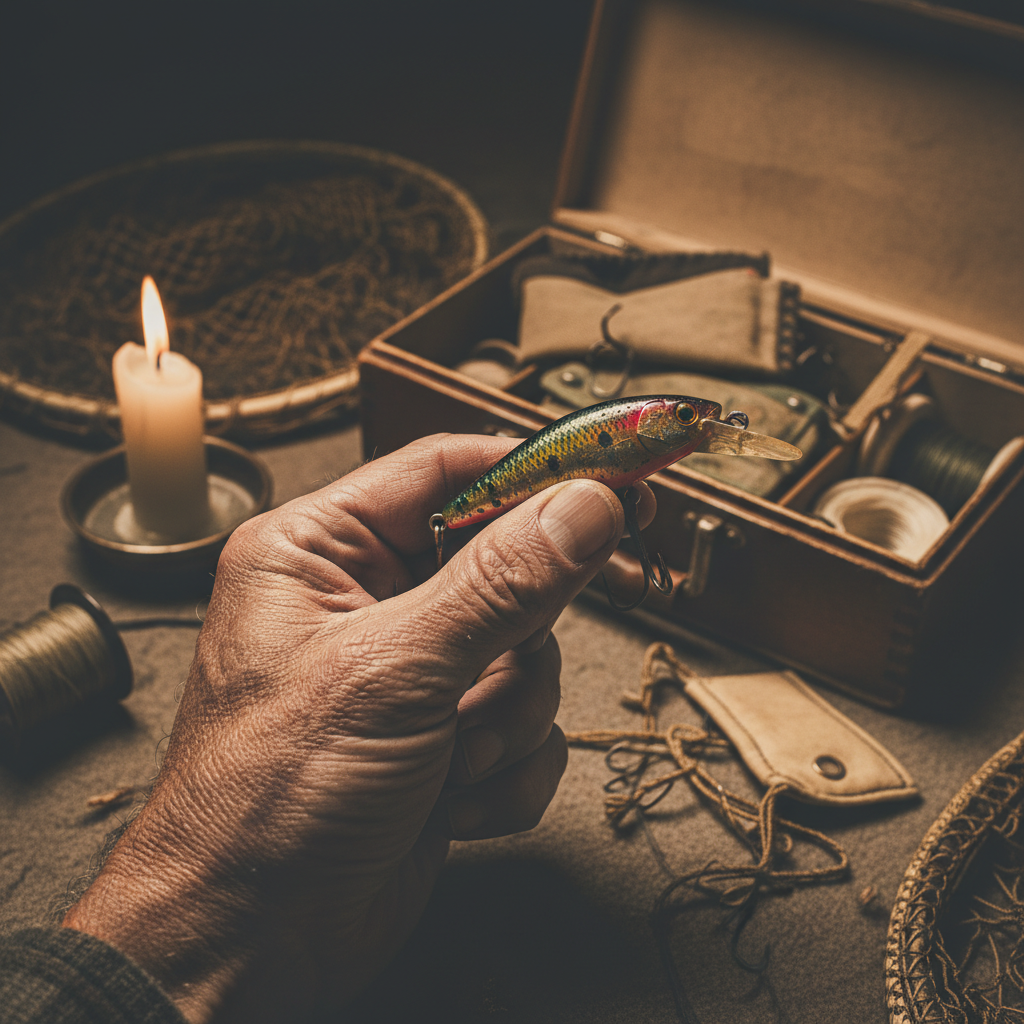
The Alchemy of Patience: Transforming Disappointment into Wisdom
Fishing, at its core, is a lesson in patience. It teaches us to accept the unpredictable nature of the world, to persevere in the face of adversity, and to find contentment in the absence of immediate gratification. When the fish aren’t biting, that lesson is amplified. It forces us to dig deeper, to refine our techniques, and to develop a level of resilience that extends far beyond the realm of fishing.
Think of the master angler, the grizzled veteran who seems to effortlessly pull fish from the most barren waters. Their success isn’t solely based on skill or luck. It’s built on years of accumulated knowledge, countless hours of observation, and a deep understanding of the fish and their environment. But perhaps even more importantly, it’s rooted in an unwavering sense of patience. They know that the fish will eventually bite, and they are willing to wait, to adapt, and to learn from every cast, regardless of the outcome.
The silent reel provides an opportunity to hone these skills. It encourages us to experiment with different lures, to explore new fishing spots, and to study the behavior of the fish. It forces us to become better observers, to pay attention to the subtle clues that might indicate the presence of fish, such as changes in water temperature, the movement of baitfish, or the activity of birds. It’s a classroom without walls, where the curriculum is written in the language of nature.
Case Study: The Stubborn Musky
I once spent an entire summer chasing musky on a notoriously difficult lake in northern Wisconsin. Musky are often referred to as the “fish of 10,000 casts” because they are notoriously elusive and difficult to catch. I fished that lake almost every day, throwing a variety of lures, experimenting with different retrieves, and meticulously tracking weather patterns and water conditions. Weeks turned into months, and still, I had nothing to show for my efforts. Many times, I felt like giving up, convinced that the lake was simply devoid of musky or that I was somehow cursed. But I persisted, driven by a stubborn refusal to be defeated.
Finally, on the last day of the summer, just as I was about to pack up my gear, it happened. A massive musky, easily exceeding 40 inches, exploded on my lure. The fight was epic, a brutal tug-of-war that lasted for nearly 20 minutes. When I finally landed the fish, I was overcome with a sense of elation and accomplishment that I had never experienced before. It wasn’t just the size of the fish that made it so special, it was the sheer amount of effort and dedication that it took to catch it. The silent reel had finally yielded its reward, and the lesson in patience had been etched into my memory forever.
The Introspective Angler: Fishing as a Form of Meditation
Beyond the thrill of the catch and the challenge of mastering a skill, fishing can also be a profoundly meditative experience. The repetitive motion of casting, the focused attention on the line, the quiet solitude of the natural world – all of these elements can combine to create a state of mindful awareness, a temporary escape from the incessant chatter of the mind.
When the fish aren’t biting, this meditative aspect of fishing becomes even more pronounced. There is no longer the pressure to perform, no longer the distraction of reeling in a fish. Instead, there is only the present moment, the sound of the wind in the trees, the feel of the sun on your skin, the quiet contemplation of the water before you. It’s an opportunity to disconnect from the digital world, to reconnect with your inner self, and to find peace in the simplicity of nature.
Many anglers describe fishing as a form of therapy, a way to relieve stress, to clear their heads, and to gain a new perspective on life’s challenges. The silent reel can be a powerful catalyst for this process, forcing us to confront our anxieties, to let go of our expectations, and to embrace the uncertainty of the natural world. It’s a reminder that we are not in control, that we are merely participants in a larger ecosystem, and that true contentment lies in accepting things as they are.

Finding Flow in the Stillness
The concept of “flow,” as defined by psychologist Mihaly Csikszentmihalyi, describes a state of complete absorption in an activity, characterized by a sense of energized focus, full involvement, and enjoyment in the process. Fishing, even when the fish aren’t biting, can be a pathway to flow. The key is to shift your focus from the outcome (catching fish) to the process (casting, observing, and connecting with nature).
When you are fully immersed in the present moment, when you are attuned to the subtle nuances of the environment, and when you are driven by a genuine curiosity and appreciation for the natural world, the absence of fish becomes irrelevant. You are no longer fishing for a reward; you are fishing for the experience itself. You are finding flow in the stillness, and that, in itself, is a form of success.
The Ecological Observer: Becoming a Guardian of the Water
Spending time on the water, even when the fish are scarce, fosters a deeper connection to the environment and a greater awareness of the challenges facing our aquatic ecosystems. The silent reel can be a call to action, inspiring us to become more responsible stewards of the water and to advocate for the protection of our precious natural resources.
Observe the water quality. Are there signs of pollution, such as excessive algae growth or discolored water? Pay attention to the surrounding habitat. Are there areas of erosion or deforestation that could be impacting the health of the ecosystem? Notice the presence (or absence) of other wildlife. Are there fewer birds or insects than you would expect? These observations can provide valuable insights into the overall health of the environment and can help you identify potential threats.
Consider, for example, the impact of microplastics on fish populations. These tiny plastic particles, which are increasingly prevalent in our waterways, can be ingested by fish and other aquatic organisms, leading to a variety of health problems and potentially disrupting the entire food chain. By becoming more aware of this issue and taking steps to reduce our own plastic consumption, we can contribute to a healthier environment for fish and other wildlife.
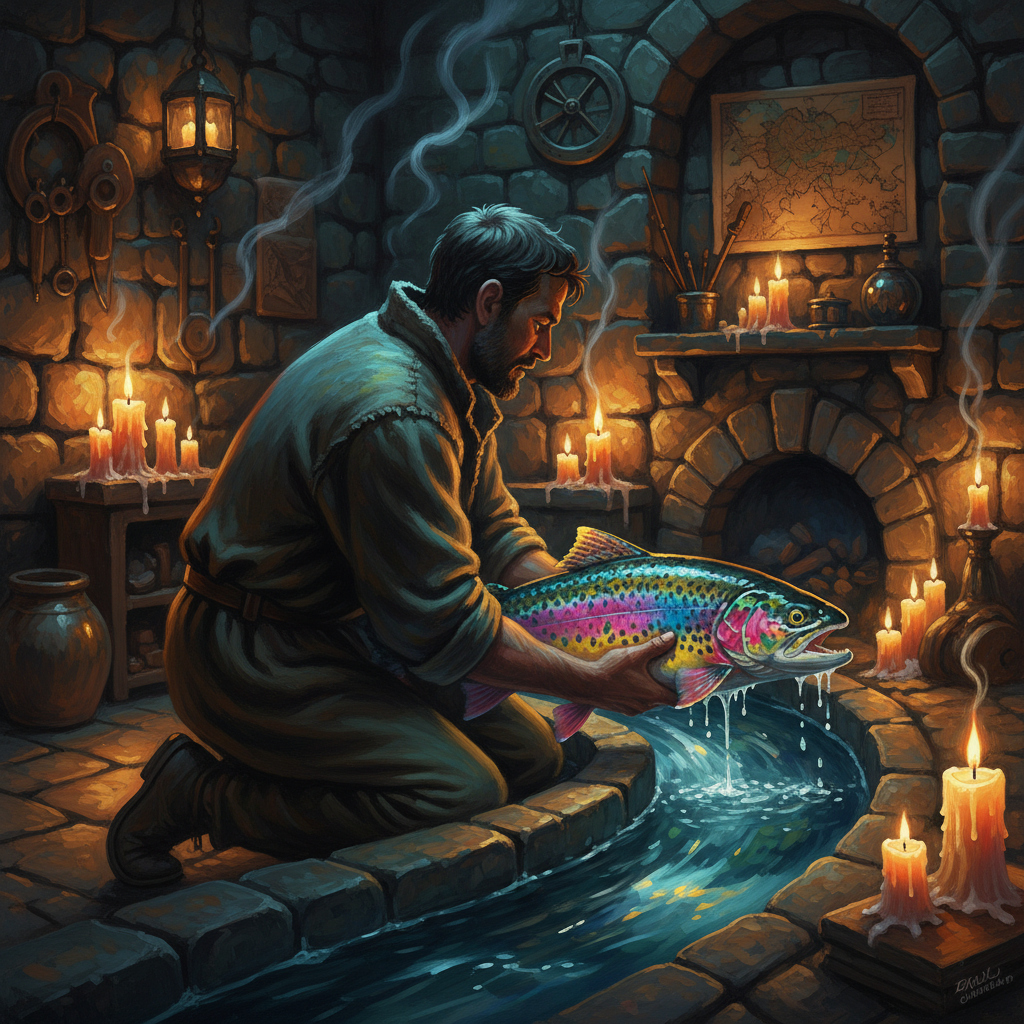
From Angler to Advocate
The knowledge and experience gained through fishing can be a powerful tool for advocating for conservation. Share your observations with local conservation organizations, participate in citizen science projects, and speak out in support of policies that protect our waterways. Educate others about the importance of responsible fishing practices, such as catch-and-release, proper disposal of fishing line, and the avoidance of harmful chemicals. By becoming an advocate for the environment, you can ensure that future generations will have the opportunity to experience the joy and wonder of fishing.
The Enduring Spirit: Why We Keep Casting
So, what happens when the fish stop biting? We adapt, we learn, we appreciate, we observe, and we advocate. We transform disappointment into wisdom, frustration into patience, and solitude into connection. We rediscover the joy of the process, the beauty of the natural world, and the enduring power of the human spirit.
Fishing is more than just a hobby; it’s a way of life. It’s a connection to our past, a celebration of our present, and a hope for our future. It’s a reminder that even when the fish are elusive, the adventure continues. The silent reel is not an ending; it’s a pause, a moment of reflection, a preparation for the next cast, the next challenge, the next opportunity to connect with the wild and untamed world that lies beneath the surface.
Ultimately, the reason we keep casting, even when the fish aren’t biting, is because we believe in the possibility of something more. We believe in the magic of the moment, the thrill of the chase, and the enduring power of hope. We believe that even in the face of adversity, there is always something to be gained, something to be learned, and something to be cherished. And that, perhaps, is the greatest catch of all.
The quiet moments on the water, when the fish remain stubbornly absent, offer a unique opportunity for introspection and growth. It is during these times that we truly understand the essence of fishing: not just the pursuit of a catch, but a profound connection with nature, a test of our patience and resilience, and a chance to find solace and peace in the midst of a chaotic world. The silent reel may be a challenge, but it is also a gift, a reminder that the true rewards of fishing extend far beyond the scale.