The Unwritten Rules of the River
There’s a hum that runs beneath the surface of every fishing trip, a silent agreement between angler, nature, and the elusive quarry. It’s a pact forged in respect, patience, and the understanding that sometimes, the adventure itself outweighs the desire to reel in the biggest catch. We often romanticize the trophy fish, the picture-perfect snapshot that validates our skill and perseverance. But what happens when the pursuit of that trophy blinds us to the magic unfolding around us?
I’ve spent a lifetime chasing fish, from the crystal-clear streams of the Rockies to the murky depths of the Amazon. I’ve learned that the true measure of a successful fishing trip isn’t always about the weight of the fish in your net, but rather the weight of the memories you carry home. It’s about the lessons learned, the challenges overcome, and the quiet moments of connection with the natural world.
Have you ever found yourself so focused on catching a fish that you missed the eagle soaring overhead, the deer drinking at the water’s edge, or the subtle shift in the wind that whispers of an approaching storm? These are the moments that truly define the fishing experience, the details that etch themselves into our memory long after the fishing rod is put away. It’s about being present, attentive, and open to the unexpected beauty that surrounds us.
Beyond the Checklist: Embracing the Unknown
We live in a world obsessed with checklists and quantifiable results. We track our steps, count our calories, and measure our success in likes and followers. This obsession can easily bleed into our hobbies, turning them into another form of performance anxiety. Fishing, in particular, can become a relentless pursuit of bigger and better catches, driven by ego and the desire to impress. But what if we dared to break free from this mindset? What if we allowed ourselves to simply be present, to embrace the uncertainty of the river, and to find joy in the journey itself?
I remember one particularly grueling trip to Alaska, chasing salmon in the Kenai River. The pressure was immense. Everyone around me was pulling in massive fish, while I struggled to even get a bite. Frustration mounted, and I started to question my skills, my gear, and my very purpose for being there. Then, one evening, as the sun dipped below the horizon, painting the sky in fiery hues, I decided to give up on the salmon. I put down my heavy gear and picked up a lightweight fly rod, tied on a small dry fly, and started casting for trout in a quiet side channel. The relief was immediate. The pressure vanished, replaced by a sense of peace and tranquility. I didn’t catch any monster trout that evening, but I did catch a glimpse of something far more valuable: a renewed appreciation for the simple act of fishing, a reminder that the true reward lies not in the catch, but in the connection with the river.

The Ripple Effect of Respect
The relationship between angler and fish is a complex one, fraught with inherent contradictions. We pursue these creatures with skill and determination, yet we also hold them in reverence. Responsible fishing demands a delicate balance between our desire to catch and our obligation to protect the fragile ecosystems that support them. It’s a matter of understanding our impact and acting with intention.
Catch and release fishing, for example, has become increasingly popular as a way to minimize our impact on fish populations. But even this seemingly benign practice can have unintended consequences if not done properly. Rough handling, prolonged air exposure, and improper hook removal can all stress the fish, reducing its chances of survival. It’s crucial to educate ourselves on best practices and to treat every fish with the respect it deserves.
Beyond catch and release, there are countless other ways we can minimize our impact on the environment. We can choose to use barbless hooks, which are easier to remove and less damaging to the fish. We can avoid fishing during spawning seasons, when fish are most vulnerable. We can pack out all of our trash, and even pick up trash left behind by others. We can support conservation organizations that are working to protect our waterways and fish populations. Every small act of respect contributes to the overall health of the ecosystem.
The Legacy We Leave Behind
What kind of legacy do we want to leave behind as anglers? Do we want to be remembered as those who relentlessly pursued trophies, depleting resources and disregarding the environment? Or do we want to be remembered as stewards of the river, those who respected the fish, the land, and the future generations who will follow in our footsteps?
The answer, I believe, is clear. We have a responsibility to protect the resources that we enjoy, to ensure that future generations have the opportunity to experience the magic of fishing. This requires a shift in mindset, a move away from the ego-driven pursuit of trophies and towards a more holistic understanding of our role in the ecosystem. It requires us to prioritize respect, conservation, and sustainability in all of our fishing activities.
I often think about my grandfather, who taught me how to fish. He wasn’t a trophy hunter. He fished for food, for connection, and for the sheer joy of being on the water. He instilled in me a deep respect for the natural world, a sense of responsibility to protect it, and an understanding that the true value of fishing lies not in the catch, but in the experience. That’s the legacy I hope to pass on to my own children, and to anyone else who is willing to listen.
The Unexpected Teacher: Lessons from the Water
Fishing is more than just a hobby; it’s a teacher. It teaches us patience, perseverance, and humility. It teaches us about the interconnectedness of all things, the delicate balance of nature, and the importance of respecting the environment. It also teaches us about ourselves, our strengths and weaknesses, our capacity for resilience, and our ability to connect with something larger than ourselves.
Have you ever spent hours casting into the wind, battling fatigue and frustration, only to come up empty-handed? These are the moments that test our mettle, that force us to confront our limitations, and that ultimately make us stronger. Fishing teaches us that success is not always guaranteed, that sometimes we must accept failure with grace, and that the true reward lies in the effort itself.
It also teaches us about the power of observation. To be a successful angler, you must be able to read the water, to understand the currents, the depths, and the subtle cues that indicate the presence of fish. You must be able to observe the weather patterns, the insect hatches, and the behavior of other animals. This heightened awareness of our surroundings can extend beyond the river, enriching our lives in countless ways.
Finding Solace in Stillness
In our hyper-connected, always-on world, finding moments of true stillness can be a challenge. Fishing offers a refuge from the noise and distractions of modern life, a chance to disconnect from technology and reconnect with nature. It’s a time to quiet the mind, to listen to the sounds of the river, and to simply be present in the moment.
I often find that my best ideas come to me while I’m fishing. The rhythmic casting motion, the gentle lapping of the water, and the solitude of the experience create a space for creativity and reflection. It’s a time to process my thoughts, to sort through my emotions, and to gain a new perspective on life’s challenges.
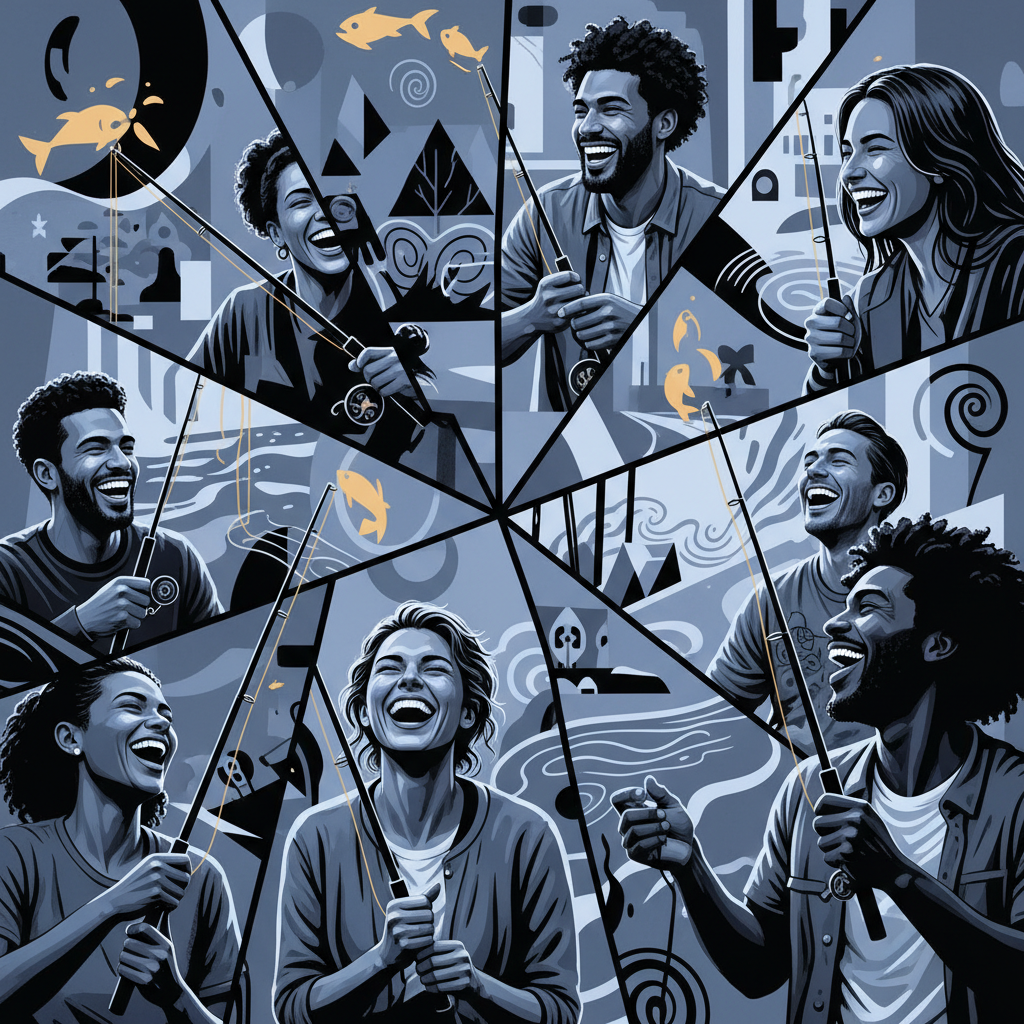
Fishing also provides an opportunity to connect with others. Whether it’s sharing a fishing trip with friends and family or swapping stories with fellow anglers at the local tackle shop, fishing fosters a sense of community and camaraderie. These connections can be incredibly valuable, providing support, encouragement, and a shared passion for the sport.
The Elusive Trophy: A Matter of Perspective
While I’ve argued against an overemphasis on trophy fish, it’s important to acknowledge that the pursuit of a personal best can be a powerful motivator. It can drive us to improve our skills, to explore new waters, and to push ourselves beyond our comfort zones. However, it’s crucial to define “trophy” in our own terms, and to avoid falling into the trap of comparing ourselves to others.
For some, a trophy might be the biggest fish they’ve ever caught. For others, it might be a fish caught in a particularly challenging location, or one that required a specific set of skills and techniques. Still others might define a trophy as simply a fish that brought them joy and satisfaction. The definition is personal, and it should be based on our own values and aspirations.
I’ve caught my share of trophy fish over the years, and I’ll admit that there’s a certain thrill that comes with landing a truly exceptional specimen. But I’ve also learned that the pursuit of trophies can be a slippery slope. It can lead to unethical behavior, environmental damage, and a general disconnect from the true spirit of fishing. It’s important to keep our priorities in perspective, and to remember that the adventure itself is often more rewarding than the catch.
Redefining Success: The Inner Game of Fishing
Ultimately, the success of a fishing trip is determined not by the number or size of the fish we catch, but by the quality of the experience. It’s about the memories we create, the lessons we learn, and the connections we forge with nature and with each other. It’s about being present in the moment, appreciating the beauty that surrounds us, and finding joy in the simple act of fishing.
This requires a shift in focus, a move away from the external validation of trophies and towards the internal satisfaction of a well-executed cast, a perfectly tied knot, or a moment of profound connection with the river. It’s about cultivating an “inner game” of fishing, where the true reward lies in the process, not the outcome.
I challenge you to consider your own definition of success in fishing. What truly motivates you? What brings you joy and satisfaction? What kind of legacy do you want to leave behind? The answers to these questions will guide you on your own personal fishing journey, and will help you to find the true meaning and purpose in the sport.

The Circle of Life: Giving Back to the River
Our relationship with the river is a cyclical one. We take from it, but we must also give back. We must be mindful of our impact and strive to protect the resources that we enjoy. This requires a commitment to conservation, a willingness to educate ourselves and others, and a dedication to leaving the river better than we found it.
There are countless ways to give back to the river. We can volunteer our time with local conservation organizations, participating in river cleanups, habitat restoration projects, and educational programs. We can support policies that protect our waterways from pollution and overfishing. We can educate our children and grandchildren about the importance of conservation, instilling in them a love for the natural world and a sense of responsibility to protect it.
We can also make small changes in our own fishing practices that can have a significant impact. We can choose to use eco-friendly tackle, such as biodegradable fishing line and lead-free weights. We can avoid using products that contain harmful chemicals, such as some types of sunscreen and insect repellent. We can be mindful of our water usage, conserving water whenever possible, both at home and on the river.
The Future of Fishing: A Shared Responsibility
The future of fishing depends on our collective efforts. It requires a shared commitment to conservation, a willingness to embrace sustainable practices, and a recognition that we are all stewards of the river. By working together, we can ensure that future generations have the opportunity to experience the magic of fishing, to connect with nature, and to learn the lessons that the river has to teach.
Let us not forget that fishing is more than just a sport; it’s a connection to our past, a celebration of our present, and an investment in our future. It’s a reminder that we are all part of something larger than ourselves, and that our actions have consequences. Let us strive to be responsible anglers, ethical stewards, and passionate advocates for the health and well-being of our rivers and our planet.
So, the next time you find yourself on the river, take a moment to pause, to breathe, and to appreciate the beauty that surrounds you. Remember that the adventure is often more important than the catch, that respect is paramount, and that the future of fishing is in our hands. Tight lines, and may your adventures be filled with joy, wonder, and a deep connection to the natural world.
The river calls to us, not just with the promise of a fish at the end of the line, but with the deeper invitation to connect with something ancient and enduring. It’s a call to remember our place in the grand tapestry of life, to respect the delicate balance of nature, and to find solace in the simple act of being present. May we always answer that call with humility, gratitude, and a unwavering commitment to preserving the magic of the river for generations to come.