The Thinking Angler: More Than Just Bait and Hooks
Sport fishing, at its core, transcends the simple act of casting a line and hoping for a bite. It’s a nuanced dance between angler and environment, a strategic application of knowledge, skill, and intuition, all unfolding under the ever-present pressure of uncertainty. Think of it as a chess match played against a wily opponent, where the chessboard is a vast, dynamic aquatic ecosystem.
While the romantic image of a solitary figure peacefully casting into calm waters certainly holds appeal, the reality often demands a far more active and engaged approach. Success in sport fishing hinges not just on luck, but on the ability to analyze conditions, adapt tactics, and maintain composure when the fish aren’t cooperating. It’s about understanding the intricate web of life beneath the surface and leveraging that understanding to your advantage.
Consider the seasoned tournament angler, meticulously studying weather patterns, water temperatures, and historical catch data before even wetting a line. This isn’t mere preparation; it’s the strategic groundwork upon which their entire approach is built. They’re not just fishing; they’re problem-solving, constantly adjusting their strategy based on the feedback they receive from the environment.
Beyond the Basics: Deeper Strategic Considerations
The true depth of sport fishing strategy becomes apparent when you delve into the specific elements that anglers must consider. It’s not enough to simply know what bait to use; you must understand why that bait is effective in a given situation. This involves a deep understanding of fish behavior, feeding patterns, and the environmental factors that influence them.
Take, for example, the choice of lure color. A novice angler might simply pick a color they find visually appealing. However, a strategic angler will consider water clarity, sunlight penetration, and the types of prey fish present in the area. In murky water, brighter, more contrasting colors might be necessary to attract attention, while in clear water, more natural, muted tones might be more effective. This level of nuanced decision-making is what separates the casual angler from the true strategist.
Furthermore, the presentation of the bait or lure is just as critical as the choice itself. An improperly presented lure, even if it’s the perfect color and size, is unlikely to entice a strike. Anglers must master various casting techniques, retrieve speeds, and jigging motions to effectively mimic the natural movements of prey. This requires hours of practice and a keen eye for detail.
Consider the technique of “reading the water.” Experienced anglers can often identify promising fishing spots simply by observing the surface of the water. Subtle variations in current, depth, and structure can all indicate areas where fish are likely to congregate. Learning to interpret these visual cues is a crucial skill for any angler who aspires to be more than just a weekend hobbyist.
The Pressure Cooker: Maintaining Composure Under Stress
The strategic elements of sport fishing are only half the battle. The other half lies in the ability to execute those strategies effectively under pressure. Fishing, especially in competitive settings, can be incredibly stressful. The pressure to perform, the frustration of missed opportunities, and the ever-present uncertainty of the outcome can all take a toll on an angler’s mental state.
Imagine yourself in a high-stakes tournament, with thousands of dollars on the line. You’ve spent months preparing, meticulously honing your skills and scouting the fishing grounds. But on the day of the tournament, everything seems to be going wrong. The fish aren’t biting, your equipment is malfunctioning, and your competitors are reeling in fish left and right. How do you react? Do you panic and abandon your strategy, or do you remain calm and focused, adapting to the changing conditions and trusting in your abilities?
The ability to maintain composure under pressure is a hallmark of successful anglers. They understand that setbacks are inevitable and that the key is to learn from their mistakes and move forward. They don’t let frustration cloud their judgment, and they remain adaptable, constantly adjusting their strategy based on the current situation.
This mental fortitude is not something that comes naturally to everyone. It requires conscious effort and practice. Anglers can develop their mental toughness by setting realistic goals, focusing on the process rather than the outcome, and practicing mindfulness techniques to stay present in the moment. Learning to control your emotions and maintain a positive attitude, even in the face of adversity, is essential for success in sport fishing.

Case Study: The Comeback Kid
Let’s look at a hypothetical, yet realistic, case study to illustrate the principles of strategy and pressure management in action. Imagine a young angler, Sarah, competing in her first major bass fishing tournament. She’s a talented angler, but she lacks experience in high-pressure situations.
On the first day of the tournament, Sarah gets off to a disastrous start. She loses several fish early on and quickly falls behind the leaders. Her confidence begins to wane, and she starts to doubt her abilities. She considers abandoning her pre-planned strategy and simply trying to catch whatever she can.
However, instead of giving in to despair, Sarah takes a deep breath and reminds herself of the skills she has worked so hard to develop. She reviews her pre-tournament strategy, identifies the areas where she’s going wrong, and makes subtle adjustments. She focuses on her casting technique, pays closer attention to the water conditions, and tries to stay positive.
Slowly but surely, Sarah starts to turn things around. She catches a few small fish to regain her confidence, and then she lands a larger bass that puts her back in contention. By the end of the day, she’s climbed back into the middle of the pack, and she’s feeling optimistic about her chances on the second day.
On the second day, Sarah executes her strategy flawlessly. She makes all the right decisions, lands every fish that bites, and finishes the tournament with a strong performance. Although she doesn’t win the tournament, she proves to herself that she has the mental toughness to compete at the highest level. This experience teaches her valuable lessons about strategy, pressure management, and the importance of never giving up.
Adaptability: The Cornerstone of Fishing Strategy
No matter how well-prepared an angler is, the unpredictable nature of fishing means that plans often need to be adjusted on the fly. Adaptability is arguably the most crucial strategic attribute an angler can possess. It’s the ability to assess changing conditions and modify tactics in real-time to maximize opportunities.
Consider a scenario where an angler is targeting a specific species of fish using a particular lure. They’ve had success with this lure in the past, but on this particular day, the fish simply aren’t interested. A rigid angler might continue to stubbornly cast the same lure, hoping that eventually, the fish will change their minds. An adaptable angler, on the other hand, would recognize that something is different and would experiment with different lures, techniques, and locations until they find something that works.
This adaptability extends beyond just lure selection. It also encompasses the ability to adjust to changing weather conditions, water levels, and fish behavior. For example, if a sudden rainstorm rolls in, an angler might need to switch to a different type of lure that is more visible in murky water. Or, if the water level drops, they might need to move to a different area where the fish are more likely to be concentrated.
Developing this kind of adaptability requires a deep understanding of the factors that influence fish behavior. Anglers need to be able to recognize subtle changes in the environment and understand how those changes are likely to affect the fish. This requires a combination of knowledge, experience, and intuition.
Furthermore, adaptability also requires a willingness to experiment and try new things. Anglers who are stuck in their ways are unlikely to be successful in the long run. The best anglers are constantly learning and adapting, always searching for new and innovative ways to catch fish.

The Importance of Observation and Learning
The foundation of adaptability lies in keen observation and a commitment to continuous learning. Every fishing trip, regardless of its success, presents an opportunity to learn something new. Paying attention to the details – water clarity, temperature, insect activity, fish behavior – provides valuable data that can inform future strategies.
Ask yourself, “What worked? What didn’t work? Why?” After each trip, take time to reflect on your experiences and analyze your performance. What could you have done differently? What lessons did you learn? By systematically reviewing your fishing trips, you can identify patterns and trends that will help you make better decisions in the future.
Furthermore, don’t be afraid to seek advice from other anglers. Talk to experienced anglers in your area, read articles and books on fishing techniques, and watch videos online. The more you learn about fishing, the better equipped you will be to adapt to changing conditions and develop effective strategies.
The pursuit of knowledge should be a lifelong endeavor for any angler who aspires to be truly successful. The more you understand about the aquatic ecosystem and the behavior of fish, the better you will be able to anticipate their movements and adapt your tactics accordingly.
The Ethics of Strategy: Conservation and Respect
While strategy in sport fishing is often focused on maximizing catch rates, it’s crucial to remember that ethical considerations should always be paramount. A truly skilled and strategic angler understands the importance of conservation and respect for the environment. This means practicing responsible fishing techniques, adhering to regulations, and minimizing impact on the ecosystem.
Catch and release fishing, for example, is a valuable conservation tool that allows anglers to enjoy the sport while minimizing harm to fish populations. However, it’s important to practice catch and release properly to ensure the survival of the released fish. This includes using appropriate tackle, handling fish gently, and minimizing the time they are out of the water.
Furthermore, anglers should always be mindful of the impact they have on the environment. This means avoiding littering, minimizing disturbance to wildlife, and respecting the rights of other users of the waterway. By practicing responsible behavior, anglers can help ensure that future generations will be able to enjoy the sport of fishing.
The strategic angler recognizes that the long-term health of the fishery is essential for the continued enjoyment of the sport. By prioritizing conservation and respect, they contribute to the sustainability of the resource and ensure that future generations will have the opportunity to experience the thrill of catching fish.

Beyond the Catch: The Intrinsic Rewards
Ultimately, the strategy of sport fishing extends beyond simply catching fish. It encompasses a deeper appreciation for the natural world, a commitment to ethical practices, and a pursuit of personal growth. The rewards of fishing are not just measured in pounds and ounces, but also in the experiences gained, the skills developed, and the connections made with nature.
The challenge of deciphering the aquatic environment, adapting to changing conditions, and outsmarting a wily fish provides a unique sense of accomplishment. The solitude and tranquility of being on the water can be incredibly therapeutic, offering a respite from the stresses of everyday life. And the camaraderie shared with fellow anglers can create lasting bonds and memories.
So, the next time you head out on the water, remember that sport fishing is more than just a pastime. It’s a strategic endeavor that requires careful planning, skillful execution, and a deep understanding of the natural world. By embracing the principles of strategy, pressure management, and ethical conduct, you can enhance your fishing experience and become a more skilled, responsible, and fulfilled angler.
The Future of Fishing Strategy: Technology and Innovation
The landscape of sport fishing is constantly evolving, driven by advancements in technology and a growing understanding of fish behavior. From sophisticated sonar systems to advanced lure designs, anglers now have access to a wealth of tools and information that were unimaginable just a few decades ago. These innovations are reshaping the way anglers approach the sport, allowing them to fish more effectively and efficiently.
For example, GPS technology and electronic charting systems have revolutionized navigation, allowing anglers to pinpoint their location with incredible accuracy and navigate to specific fishing spots with ease. Fish finders, equipped with advanced sonar capabilities, provide detailed images of underwater structures and fish locations, helping anglers to identify promising areas to fish.
Furthermore, advancements in lure design have led to the creation of highly realistic and effective lures that mimic the appearance and movement of natural prey. These lures are often equipped with features such as lifelike eyes, realistic paint jobs, and specialized action, making them irresistible to fish.
However, it’s important to remember that technology is only a tool. It’s up to the angler to use these tools effectively and ethically. Technology should enhance, not replace, the fundamental skills and knowledge that are essential for successful fishing. Anglers should still prioritize understanding fish behavior, reading the water, and mastering basic fishing techniques.
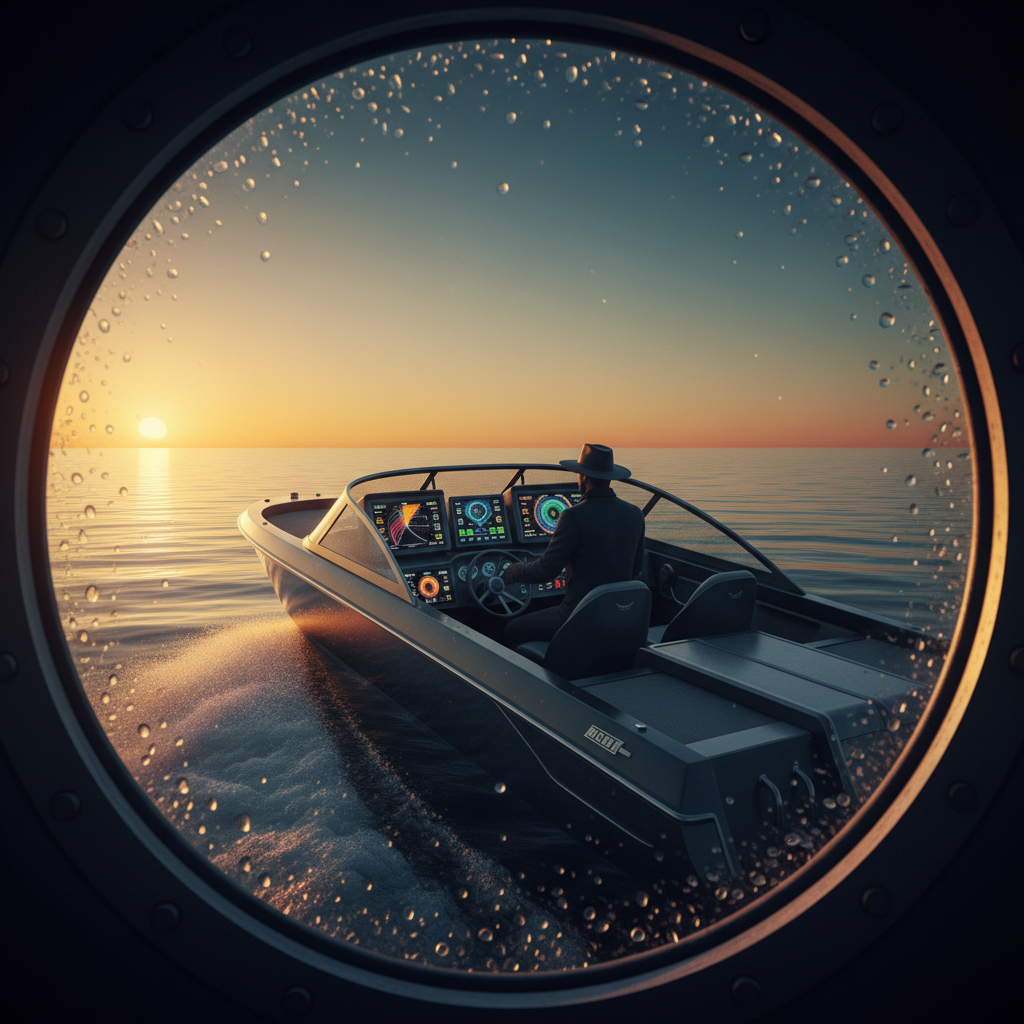
Balancing Technology with Traditional Skills
The key to success in the future of sport fishing will be finding the right balance between technology and traditional skills. Anglers who can effectively combine the latest technology with their knowledge of fish behavior and their ability to read the water will have a significant advantage. They will be able to use technology to enhance their understanding of the aquatic environment and make more informed decisions about where and how to fish.
But it’s also important to remember that technology can’t replace experience. There’s no substitute for spending time on the water, observing fish behavior, and learning from your mistakes. The best anglers are those who have a deep understanding of the natural world and can use their knowledge to adapt to changing conditions and develop effective strategies, regardless of the technology they have at their disposal.
In conclusion, sport fishing is a multifaceted pursuit that blends strategic thinking, pressure management, adaptability, and ethical considerations. It’s a continuous learning process, where observation, experimentation, and a deep respect for the environment are key to success. Whether you’re a seasoned tournament angler or a weekend hobbyist, embracing these principles will undoubtedly enhance your fishing experience and deepen your appreciation for the art and science of angling. The true reward lies not just in the catch, but in the journey of mastering the strategy applied under pressure.