The Unforgiving Nature of Sport Fishing: A Test of Focus and Precision
Sport fishing, at its core, is a dance between patience and action, a delicate balance where the slightest misstep can mean the difference between landing a trophy fish and going home empty-handed. It’s a pursuit that demands not only skill and knowledge but, perhaps even more importantly, an unwavering focus. Distractions, whether internal or external, are the silent saboteurs that can derail even the most experienced angler. In the realm of sport fishing, the water does not forgive distractions. It demands your full attention, your complete presence, and your utmost respect.
Think of it as a high-stakes game of chess played on a liquid board. Every cast, every twitch, every subtle movement of the line is a calculated move, a response to the ever-changing conditions beneath the surface. Lose focus for a moment, let your mind wander to the day’s worries or the next task on your to-do list, and you might miss the telltale sign of a lurking predator, the almost imperceptible tug that signals the opportunity of a lifetime.
Why is focus so critical in sport fishing? Let’s delve into the various facets of this challenging and rewarding pursuit to understand how distractions can lead to missed opportunities and ultimately, a less fulfilling experience.
Understanding the Nuances: Reading the Water and the Fish
One of the most crucial aspects of sport fishing is the ability to “read” the water. This involves observing subtle cues such as current patterns, water temperature variations, the presence of baitfish, and even the behavior of birds overhead. These seemingly insignificant details can provide invaluable insights into where fish are likely to be holding and what they might be feeding on. A distracted angler, however, is unlikely to notice these nuances. Their attention is elsewhere, their senses dulled, and they miss the subtle clues that would guide them to the most productive spots.
Imagine you’re fishing a trout stream. You’ve spent hours studying maps, researching hatches, and selecting the perfect flies. You arrive at the stream, eager to put your knowledge to the test. But as you wade into the water, your phone buzzes with a notification. You glance at it, just for a second, to see what it is. In that brief moment of distraction, you fail to notice the subtle rise of a trout sipping mayflies just upstream. You cast your fly, but it lands awkwardly, spooking the fish. The opportunity is lost, all because of a fleeting distraction.
Furthermore, understanding fish behavior is paramount. Different species have different preferences in terms of habitat, feeding habits, and activity patterns. A successful angler must be able to anticipate these behaviors and adjust their tactics accordingly. Are the bass holding tight to cover on a hot, sunny day? Are the salmon running upstream in response to a change in water levels? These are the types of questions that a focused angler is constantly asking themselves. A distracted angler, on the other hand, is simply going through the motions, casting blindly and hoping for the best.
The Importance of Precision: Casting, Presentation, and Hooksets
Beyond reading the water and understanding fish behavior, sport fishing demands a high degree of precision in casting, presentation, and hooksets. A poorly executed cast can spook fish, tangle your line, or land your lure in an unproductive area. A sloppy presentation can fail to entice a strike, even if your lure is in the right place at the right time. And a weak hookset can result in a lost fish, even after you’ve managed to get a bite.
Each of these elements requires unwavering concentration. Casting, for example, is not simply a matter of throwing your line as far as you can. It involves carefully considering the wind direction, the distance to your target, and the type of lure you’re using. A focused angler will practice their casting technique until it becomes second nature, allowing them to make accurate and controlled casts even under challenging conditions. A distracted angler, however, is more likely to rush their casts, resulting in inaccuracies and missed opportunities.
Presentation is equally important. The way you present your lure or bait can make all the difference in whether or not a fish decides to strike. Are you using the right retrieve speed? Are you imparting the right action to your lure? Are you keeping your line tight and your senses alert? These are the types of details that a focused angler is constantly monitoring. A distracted angler, however, is more likely to let their presentation become sloppy and ineffective.
And finally, the hookset. This is the moment of truth, the culmination of all your efforts. A swift, decisive hookset is essential to drive the hook home and secure the fish. A weak or delayed hookset can give the fish a chance to escape. A focused angler will be ready to react instantly to the slightest indication of a bite. A distracted angler, however, may miss the bite altogether or hesitate before setting the hook, resulting in a lost fish.
The Internal Battles: Managing Stress, Expectations, and Boredom
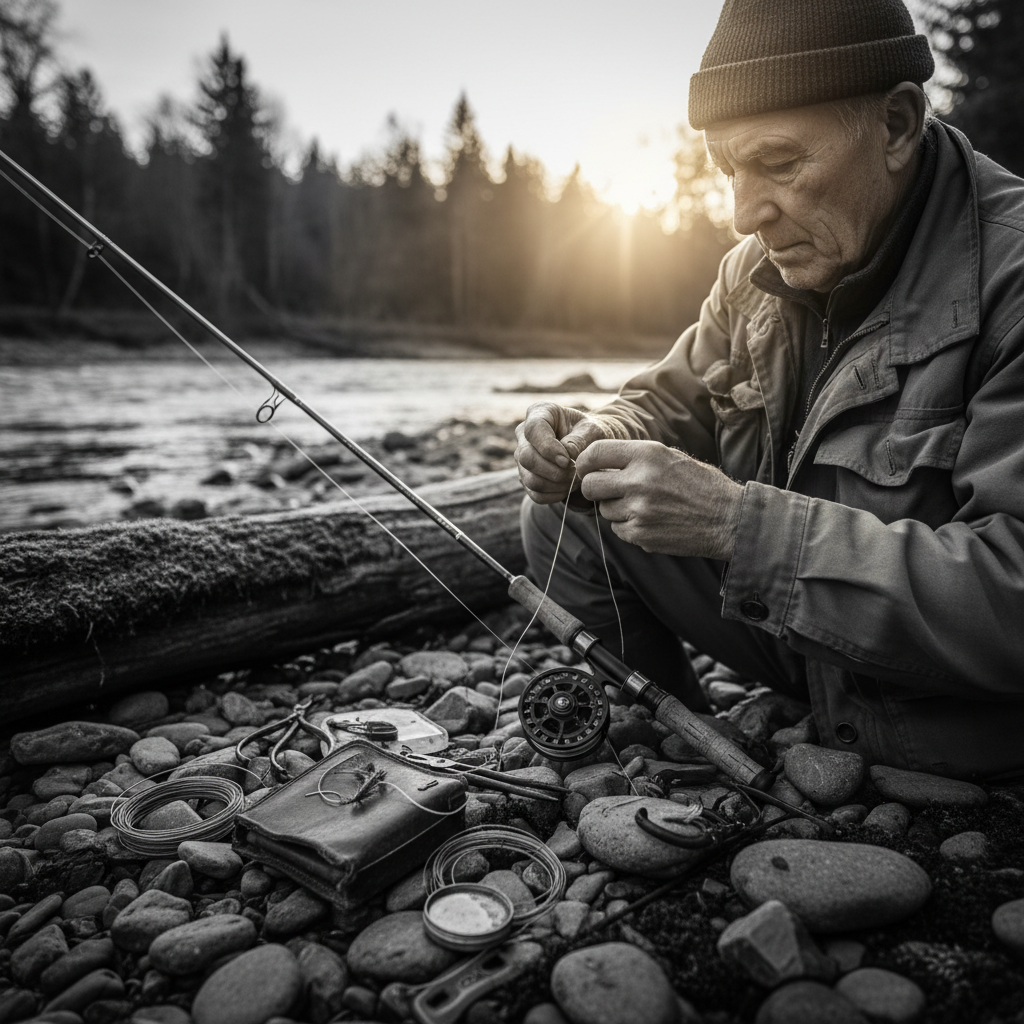
While external distractions can certainly hinder your fishing success, it’s often the internal battles that prove to be the most challenging. Stress, expectations, and boredom can all cloud your mind and prevent you from focusing on the task at hand.
Stress can be a major distraction, especially when you’re facing pressure to catch fish. Whether it’s a tournament situation, a guiding trip, or simply a friendly competition with your buddies, the pressure to perform can be overwhelming. This stress can lead to anxiety, indecision, and a tendency to overthink things. A focused angler will be able to manage their stress by staying calm, trusting their instincts, and focusing on the process rather than the outcome. A distracted angler, however, will allow the stress to consume them, leading to poor decisions and missed opportunities.
Expectations can also be a source of distraction. If you go into a fishing trip with unrealistic expectations, you’re setting yourself up for disappointment. This disappointment can lead to frustration, discouragement, and a loss of focus. A focused angler will be able to manage their expectations by being realistic about the conditions, the fish populations, and their own abilities. They will focus on enjoying the experience, regardless of whether or not they catch fish. A distracted angler, however, will allow their expectations to dictate their mood, leading to a negative and unproductive fishing trip.
And finally, boredom. Let’s face it, fishing can sometimes be a waiting game. There can be long stretches of time when nothing is happening, when you’re simply casting and retrieving, casting and retrieving. This can be especially challenging for anglers who are used to constant stimulation. Boredom can lead to restlessness, inattention, and a tendency to lose focus. A focused angler will be able to combat boredom by staying engaged in the process, observing their surroundings, and experimenting with different techniques. A distracted angler, however, will succumb to boredom, allowing their mind to wander and missing the subtle cues that could lead to a bite.
Cultivating Focus: Strategies for Staying Present on the Water
So, how can you cultivate the focus necessary to excel in sport fishing? Here are a few strategies that can help you stay present on the water and minimize distractions:
- Practice mindfulness: Mindfulness is the practice of paying attention to the present moment without judgment. This can involve focusing on your breath, your senses, or your thoughts and feelings. By practicing mindfulness, you can train yourself to stay grounded in the present and resist the urge to get caught up in distractions.
- Set clear goals: Before you start fishing, take a moment to set clear goals for yourself. What do you want to accomplish on this trip? Are you hoping to catch a specific species of fish? Are you trying to master a new technique? By setting clear goals, you can give yourself a sense of purpose and direction, making it easier to stay focused.
- Eliminate distractions: This may seem obvious, but it’s worth mentioning. Turn off your phone, leave your worries at home, and focus on the task at hand. The fewer distractions you have, the easier it will be to stay present and engaged.
- Take breaks: It’s important to take breaks from time to time, especially during long fishing trips. Step away from the water, stretch your legs, and clear your head. This will help you to avoid burnout and maintain your focus over the long haul.
- Embrace the process: Ultimately, the key to cultivating focus in sport fishing is to embrace the process. Don’t get too caught up in the outcome. Focus on enjoying the experience, learning from your mistakes, and appreciating the beauty of the natural world. When you approach fishing with this mindset, you’ll find that it’s much easier to stay focused and engaged.
Consider the example of a seasoned fly fisherman named Sarah. Sarah had been fly fishing for over 20 years, and she was known for her ability to consistently catch fish, even under challenging conditions. When asked about her secret to success, Sarah would always emphasize the importance of focus. She explained that she treated each fishing trip as a meditation, a chance to escape the stresses of everyday life and connect with nature. Before she even made her first cast, she would take a few deep breaths and clear her mind of any distractions. She would then focus all of her attention on reading the water, observing the insects, and feeling the subtle movements of her line. Sarah understood that the slightest lapse in concentration could mean the difference between success and failure, and she was committed to staying present and engaged throughout the entire process.

The Consequences of Distraction: Missed Opportunities and Safety Concerns
The consequences of distraction in sport fishing can range from missed opportunities to serious safety concerns. As we’ve already discussed, a distracted angler is more likely to miss subtle cues, make poor decisions, and ultimately, catch fewer fish. But beyond that, distraction can also put you at risk of accidents and injuries.
For example, if you’re fishing from a boat, it’s crucial to pay attention to your surroundings. Distractions can lead to collisions with other boats, grounding on sandbars, or even capsizing in rough water. Similarly, if you’re wading in a river, you need to be aware of the current, the depth of the water, and any obstacles that might be present. A distracted angler is more likely to stumble, fall, and potentially injure themselves.
Furthermore, distractions can also compromise your awareness of weather conditions. A sudden change in weather can pose a serious threat to anglers, especially those who are far from shore. A focused angler will be constantly monitoring the sky, the wind, and the temperature, and they will be prepared to take appropriate action if the weather turns bad. A distracted angler, however, may be caught off guard by a sudden storm, putting themselves at risk.
Consider the tragic case of a group of anglers who were fishing on a large lake during a summer afternoon. The weather was calm and sunny, and the anglers were enjoying a leisurely day on the water. However, as the afternoon progressed, a storm began to brew in the distance. The anglers, distracted by their conversation and their fishing, failed to notice the approaching storm until it was too late. By the time they realized the danger, the storm was upon them, with strong winds, heavy rain, and lightning. The anglers were unable to reach shore before the storm hit, and their boat capsized. Tragically, two of the anglers drowned in the incident. This serves as a stark reminder of the importance of staying focused and aware of your surroundings when fishing, especially in potentially dangerous conditions.
Adapting to Different Environments: Focus in Rivers, Lakes, and Oceans
The specific distractions and challenges you face will vary depending on the environment in which you’re fishing. In rivers, for example, you need to be aware of the current, the depth of the water, and any obstacles that might be present. You also need to be able to read the water and identify the areas where fish are likely to be holding. Distractions such as noise from nearby roads, other anglers, or even your own thoughts can make it difficult to concentrate and make sound decisions.
In lakes, the challenges are different. You need to be able to navigate the water, identify productive fishing spots, and manage your boat or kayak. Distractions such as wind, waves, and other boats can make it difficult to maintain your focus and control your vessel. You also need to be aware of the weather conditions and be prepared to take appropriate action if the weather turns bad.
And in the ocean, the challenges are even greater. You need to be able to navigate the open water, deal with strong currents and tides, and manage your boat in potentially rough conditions. Distractions such as waves, wind, and other boats can make it extremely difficult to stay focused and maintain control. You also need to be aware of marine life, such as sharks and whales, and take appropriate precautions to avoid any encounters.
Regardless of the environment, the key to staying focused is to be prepared and to adapt to the specific challenges you face. This means doing your research, practicing your skills, and being aware of your surroundings. It also means being able to manage your stress, expectations, and boredom, and staying present in the moment.
The Mental Game: Building Resilience and Overcoming Setbacks
Sport fishing is not just a physical activity; it’s also a mental game. It requires resilience, patience, and the ability to overcome setbacks. There will be times when you don’t catch fish, when you lose fish, or when the weather turns bad. It’s how you respond to these setbacks that will determine your success as an angler.
A focused angler will be able to learn from their mistakes and use them as an opportunity to improve. They will be able to stay positive and motivated, even when things are not going their way. And they will be able to maintain their focus and concentration, even in the face of adversity.
Consider the story of a young angler named David who was determined to catch a trophy-sized muskie. David spent countless hours fishing for muskies, but he was never able to land one bigger than a few pounds. He started to get discouraged, and he began to doubt his abilities. He even considered giving up on muskie fishing altogether.
But David was a resilient angler. He refused to let his setbacks get the better of him. He decided to seek advice from experienced muskie anglers, and he started to study muskie behavior and fishing techniques. He also started to focus on the process of fishing, rather than the outcome. He learned to appreciate the challenge of muskie fishing, and he began to enjoy the time he spent on the water, regardless of whether or not he caught a fish.
Eventually, David’s hard work and perseverance paid off. One day, while fishing on a large lake, he hooked into a massive muskie. The fish fought hard, but David was able to stay focused and maintain his composure. After a long and grueling battle, he finally landed the fish. It was a true trophy, weighing over 50 pounds. David had achieved his goal, not because he was lucky, but because he was resilient, patient, and focused.
This story illustrates the importance of the mental game in sport fishing. It shows that even the most skilled anglers will face setbacks, but it’s how they respond to these setbacks that will determine their ultimate success. By building resilience, staying positive, and maintaining their focus, anglers can overcome any obstacle and achieve their goals.
Beyond the Catch: Finding Fulfillment in the Process
Ultimately, the true reward in sport fishing lies not just in the catch, but in the entire experience. It’s about connecting with nature, challenging yourself, and finding peace and tranquility in the outdoors. When you approach fishing with this mindset, you’ll find that it’s much easier to stay focused and engaged, and you’ll be more likely to find fulfillment, regardless of whether or not you catch fish.
Sport fishing is a journey, not a destination. It’s a continuous process of learning, growing, and evolving. It’s about embracing the challenges, celebrating the successes, and appreciating the beauty of the natural world. And it’s about staying focused on the present moment, allowing yourself to be fully immersed in the experience, and forgetting, even for a little while, the distractions of the modern world. In the end, that’s what truly matters.

So, the next time you’re out on the water, remember the unforgiving nature of sport fishing. Remember the importance of focus, precision, and resilience. And remember that the true reward lies not just in the catch, but in the entire experience. By embracing these principles, you’ll not only become a more successful angler, but you’ll also find greater fulfillment and enjoyment in this challenging and rewarding pursuit. Let the waters humble you, teach you, and ultimately, connect you to something far greater than yourself.