The Unspoken Language of the River
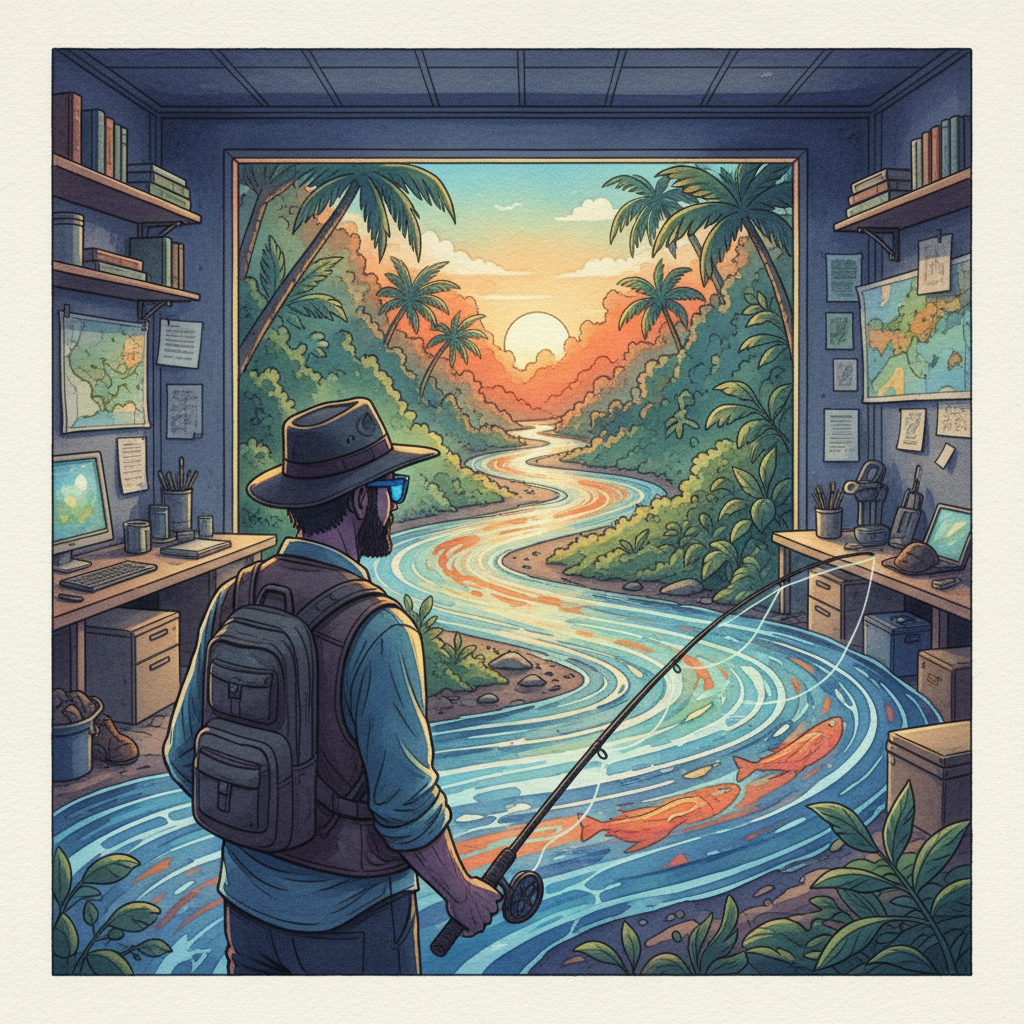
Fishing, at its core, is a conversation. Not with the fish, necessarily, though I suspect some anglers would disagree. No, the true dialogue is with the river itself. It’s about learning to interpret the subtle nuances, the whispers of the current, the silent stories told by the shifting sand and the swaying reeds. It’s about reading the water.
But what does it truly mean to “read the water”? It’s more than just looking at the surface. It’s about understanding the currents below, the structure beneath, the life teeming within. It’s about piecing together the clues that the river offers, like a detective solving a complex case. And it’s a skill that, once mastered, transforms fishing from a mere pastime into a profound connection with the natural world.
Think of it like learning a new language. At first, it’s just a jumble of unfamiliar sounds and symbols. But with time and dedication, the patterns begin to emerge. You start to recognize familiar words, then phrases, then entire sentences. Eventually, you’re able to understand the underlying meaning, the subtle nuances that make the language truly come alive. Reading the water is no different.
So, how do you begin to learn this unspoken language? Where do you start your journey to becoming fluent in the ways of the river?
Understanding the Fundamentals: Current, Structure, and Clarity
Before you can decipher the more complex aspects of reading the water, you need to grasp the fundamental principles that govern its behavior. These include understanding the role of current, the importance of structure, and the impact of water clarity.
Current: The River’s Lifeline
The current is the driving force of the river, shaping its landscape and influencing the distribution of life within it. Different currents create different habitats, each suited to specific species of fish and insects. For example, fast-moving riffles are often home to trout and other fish that thrive in oxygen-rich water, while slower-moving pools provide refuge for larger fish and offer feeding opportunities for those that prefer calmer waters.
Learning to identify and interpret different types of currents is crucial for successful fishing. Look for seams, which are the boundaries between fast and slow currents. These areas often hold fish that are waiting to ambush prey drifting by. Also, pay attention to eddies, which are circular currents that form behind obstructions. Eddies can provide shelter from the current and offer a concentrated source of food.
Structure: The River’s Architecture
Structure refers to any physical feature that disrupts the flow of the river, creating eddies, seams, and other current variations. This can include rocks, fallen trees, submerged logs, undercut banks, and even changes in the riverbed itself. Structure provides cover for fish, offering protection from predators and a place to rest. It also creates ambush points where fish can lie in wait for unsuspecting prey.
When approaching a river, take the time to identify potential structural elements. Look for areas where the current breaks around rocks or logs, or where the bank is undercut. These are all prime locations to target. Remember, fish are often drawn to structure, so learning to identify and effectively fish these areas is essential.
Clarity: The River’s Visibility
Water clarity plays a significant role in fish behavior and feeding patterns. In clear water, fish are more likely to be wary and selective, while in murky water, they may be more aggressive and opportunistic. The clarity of the water also affects the type of lures or flies that are most effective. In clear water, natural-looking patterns tend to work best, while in murky water, brighter, more visible lures may be necessary to attract attention.
Always assess the water clarity before you begin fishing. If the water is clear, you may need to use lighter line and smaller lures to avoid spooking the fish. If the water is murky, you may need to use heavier line and larger lures to increase your chances of being seen. Understanding the impact of water clarity on fish behavior is crucial for adapting your tactics and maximizing your success.

Beyond the Basics: Reading the Subtle Signs
Once you have a solid understanding of the fundamental principles, you can begin to delve into the more subtle aspects of reading the water. This involves paying close attention to the details, observing the behavior of insects and other aquatic life, and learning to anticipate the movements of fish.
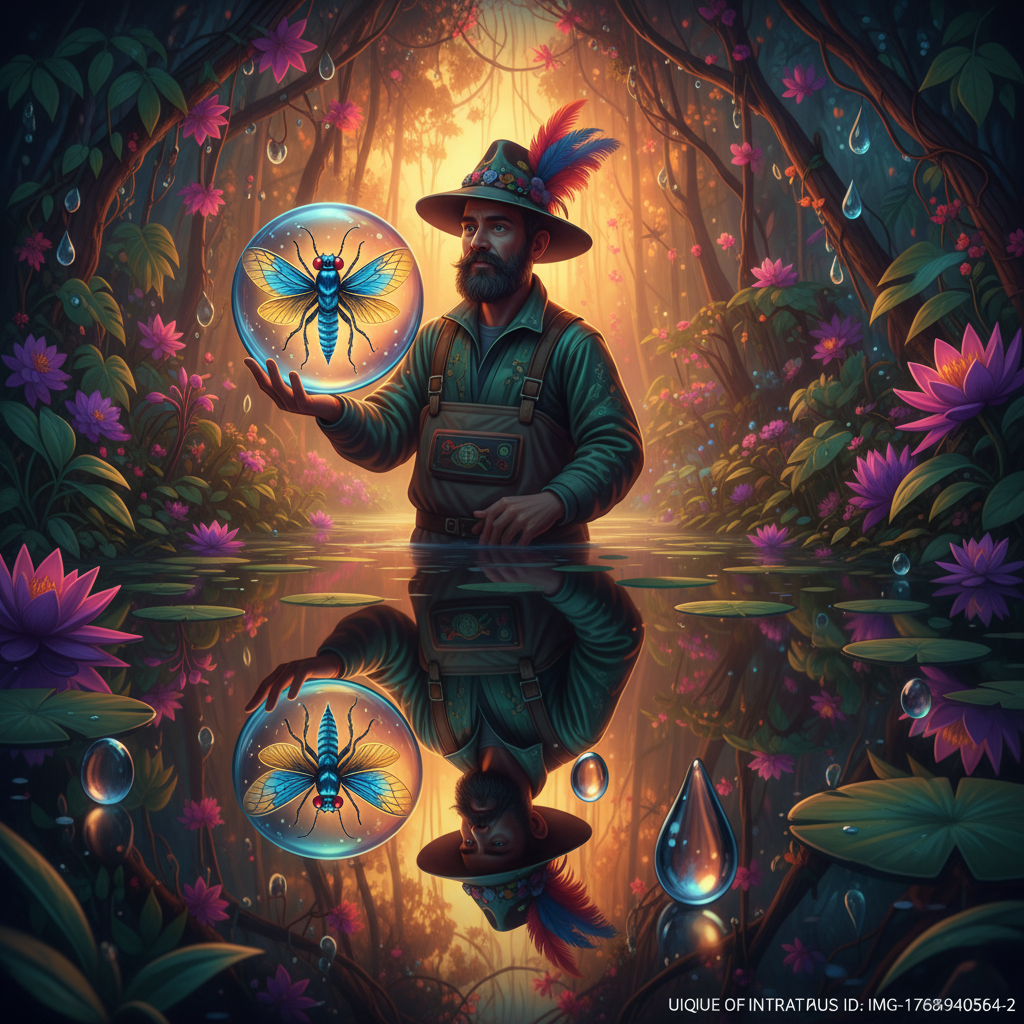
Insect Activity: The River’s Menu
Insects are a primary food source for many fish species, so understanding their life cycle and activity patterns is essential for successful fishing. Pay attention to the types of insects that are present in the water, their stage of development, and their behavior. Are they hatching, emerging, or drifting along the surface? This information can help you choose the right lure or fly and present it in a way that mimics the natural behavior of the insects.
For example, if you see mayflies hatching on the surface, you might want to use a dry fly that imitates the adult mayfly. If you see nymphs drifting along the bottom, you might want to use a nymph pattern that mimics their size and color. By matching your presentation to the current insect activity, you can significantly increase your chances of catching fish.
Observing Fish Behavior: The River’s Residents
Observing the behavior of fish can provide valuable clues about their location, feeding habits, and mood. Look for signs of activity, such as rises, swirls, or splashes. These can indicate that fish are actively feeding on the surface or near the bottom. Also, pay attention to the time of day and the weather conditions. Fish behavior can change dramatically depending on these factors.
For example, during a hatch, fish may concentrate in areas where insects are emerging. On a sunny day, they may seek refuge in shaded areas. By observing these patterns and adapting your approach accordingly, you can improve your chances of finding and catching fish.
Understanding Water Temperature and Oxygen Levels
Water temperature and oxygen levels are critical factors that influence fish behavior. Fish are cold-blooded, meaning their body temperature is directly affected by the temperature of the water. As water temperature changes, fish may become more or less active, and their feeding habits may change accordingly.
Oxygen levels are also important, as fish need oxygen to breathe. In warm water, oxygen levels tend to be lower, which can stress fish and make them less active. In cold water, oxygen levels are generally higher, which can make fish more active and aggressive.
Understanding the relationship between water temperature, oxygen levels, and fish behavior is essential for adapting your fishing tactics to different conditions. For example, in warm water, you may need to fish deeper, where the water is cooler and oxygen levels are higher. In cold water, you may need to fish shallower, where the fish are more likely to be active.
Putting it All Together: The Art of Anticipation
Reading the water is not just about understanding the individual components; it’s about putting them all together to form a complete picture. It’s about anticipating where fish are likely to be, what they are likely to be feeding on, and how they are likely to react to your presentation. This requires practice, patience, and a willingness to learn from your mistakes.
Developing Your Intuition
As you gain experience reading the water, you will begin to develop a sense of intuition. You will start to “feel” where the fish are, even if you can’t see them. This intuition is based on your subconscious processing of the information you have gathered over time. It’s a powerful tool that can help you make better decisions and catch more fish.
Developing your intuition takes time and practice. The more time you spend on the water, observing and analyzing, the stronger your intuition will become. Don’t be afraid to experiment and try new things. The key is to pay attention to the results and learn from your experiences.
The Importance of Observation and Experimentation
Observation and experimentation are essential for improving your ability to read the water. Take the time to observe the river carefully before you start fishing. Look for signs of fish activity, insect hatches, and changes in the current. Experiment with different lures, flies, and presentation techniques. Pay attention to what works and what doesn’t. The more you observe and experiment, the better you will become at reading the water.
Keep a fishing journal to record your observations and experiments. This will help you track your progress and identify patterns. Note the date, time, location, weather conditions, water clarity, and the lures or flies you used. Also, record the number of fish you caught, their size, and their location in the river. This information can be invaluable for future fishing trips.
Adapting to Changing Conditions
The river is a dynamic environment, constantly changing in response to weather patterns, seasonal variations, and human activities. To be a successful angler, you must be able to adapt to these changing conditions. This requires flexibility, creativity, and a willingness to abandon your preconceived notions.
For example, if the river is high and muddy after a rainstorm, you may need to switch to larger, brighter lures that can be seen in the murky water. If the river is low and clear during a drought, you may need to use lighter line and smaller lures to avoid spooking the fish. By adapting your tactics to the changing conditions, you can continue to catch fish even when the odds are stacked against you.
The Rewards of Mastery: Beyond the Catch
Learning to read the water is not just about catching more fish. It’s about developing a deeper understanding and appreciation for the natural world. It’s about connecting with the river on a more profound level. And it’s about experiencing the satisfaction of solving a complex puzzle.
A Deeper Connection with Nature
When you learn to read the water, you begin to see the river in a new light. You start to notice the subtle details that you never noticed before. You become more aware of the interconnectedness of all living things. And you develop a deeper respect for the power and beauty of nature.
This deeper connection with nature can have a profound impact on your life. It can reduce stress, improve your mental health, and increase your sense of well-being. It can also inspire you to become a better steward of the environment.
The Satisfaction of Problem-Solving
Reading the water is like solving a complex puzzle. You gather information, analyze the clues, and develop a hypothesis. Then, you test your hypothesis by fishing the area. If you catch a fish, you know you’re on the right track. If you don’t, you need to re-evaluate your assumptions and try again.
The satisfaction of solving this puzzle can be incredibly rewarding. It’s a feeling of accomplishment that comes from using your skills and knowledge to overcome a challenge. And it’s a feeling that can stay with you long after you’ve left the river.
The Joy of Sharing Knowledge
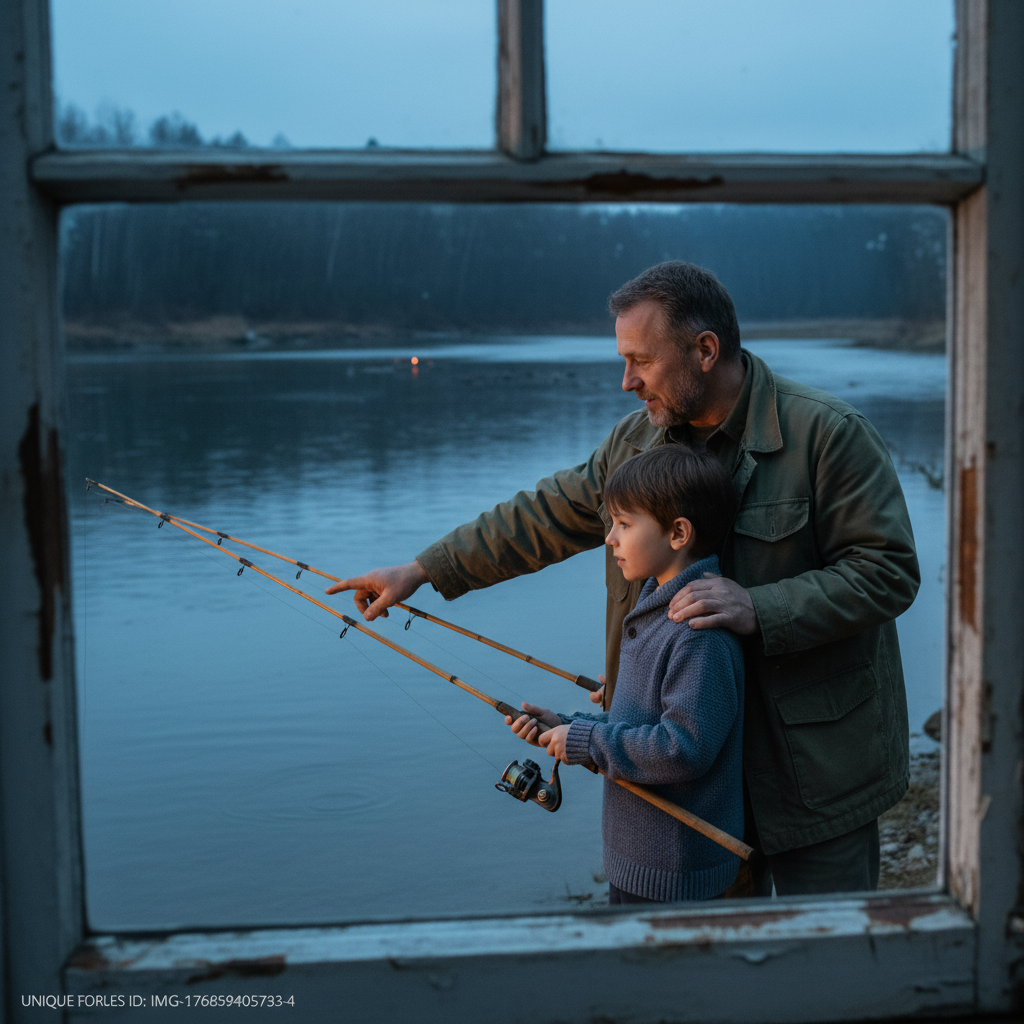
Once you have mastered the art of reading the water, you can share your knowledge with others. You can teach your friends, your family, or even complete strangers. By sharing your knowledge, you can help others connect with nature and experience the joy of fishing.
Teaching others is also a great way to reinforce your own understanding. When you explain something to someone else, you are forced to think about it in a new way. This can help you identify gaps in your knowledge and improve your own skills.
Reading the water is a lifelong journey, a continuous process of learning and discovery. There’s always something new to learn, a new challenge to overcome. But the rewards are well worth the effort. By mastering this art, you can transform your fishing experience and connect with the natural world in a way that you never thought possible. So, the next time you’re on the river, take a moment to truly read the water. Listen to its whispers, observe its subtle signs, and let it guide you to a deeper understanding of the world around you. You might be surprised at what you discover.